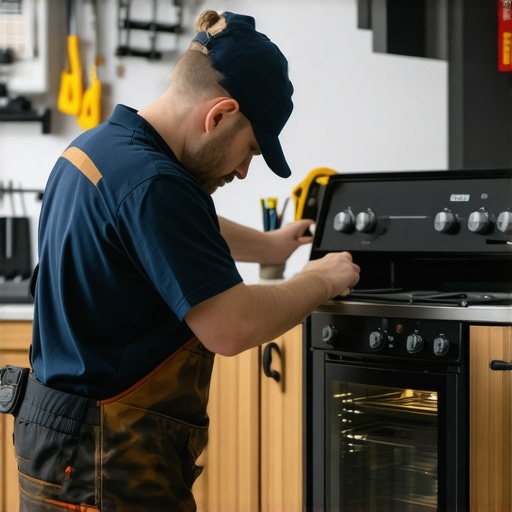
Have you ever been in the middle of preparing a family dinner when your oven suddenly stops working? That sinking feeling of helplessness kicks in—especially when you realize a quick fix could have saved the day. I’ve been there, frustrated and scratching my head, wondering what went wrong and how to fix it fast. It’s a moment many homeowners face, and it’s exactly why understanding effective oven repair and diagnostics is more crucial than ever in 2025.
Why Quick Oven Repairs Save Your Day
In today’s busy world, waiting around for a technician isn’t an option. You want solutions that are fast, reliable, and don’t break the bank. That’s where mastering diagnostic techniques and knowing the right parts can turn you from a helpless homeowner into a repair hero. When I first started out, I made the mistake of guessing—replacing parts blindly, wasting time and money. Now, I focus on diagnostics, and it’s a game-changer. Accurate troubleshooting isn’t just about fixing your oven; it’s about doing it efficiently, so you can get back to your busy life.
In this post, I’ll walk you through the best strategies for quick oven fixes in 2025, including the essential diagnostic parts and tips to identify common problems rapidly. Trust me, once you get the hang of diagnosing the issue, your repair time drops dramatically. And for those who want to dive deeper, I’ll share links to some top resources like oven repair diagnostics tips and diagnostics parts for efficient repair.
Is Relying on Diagnostics Actually Worth the Hype?
Early in my repair journey, I used to think diagnostics were overly complicated and not worth the effort. I was wrong. A simple mistake I made was overlooking the importance of testing the heating element first, which led me down a rabbit hole of unnecessary replacements. Now, I take a systematic approach—testing components with the right tools and understanding their functions. This approach saves me hours and keeps costs down. If you’re hesitant about diving into diagnostics, remember: the right diagnostic parts and strategies can turn a frustrating fix into a straightforward one. Want to learn more about the essential diagnostic parts? Check out this guide for top tips on the must-have parts for your toolbox.
Test the Heating Element First
In my recent experience repairing a stubborn oven, I started with the heating element. Think of it like checking a fuse in your car—simple but crucial. I disconnected the oven from power, then used a multimeter to test the element’s continuity. If the reading shows no continuity, the element is dead. Replacing it is straightforward and often the fastest fix. For detailed guidance on diagnostic parts, visit this resource.
Use the Right Diagnostic Tools
Investing in quality tools like a multimeter and an oven-specific diagnostic probe can make all the difference. I once borrowed a basic multimeter from a neighbor, but it lacked the precision needed for accurate readings. Once I had the right tools, I quickly identified a faulty temperature sensor, saving hours of guesswork. To ensure you’re prepared, check out this comprehensive guide.
Check the Control Board Carefully
The control board is like the brain of your oven. If it’s malfunctioning, everything else falls apart. I once faced an oven that refused to heat, and after testing the heating element, I suspected the control board. Using a multimeter, I checked for voltage output to the heating element. No power meant the control board wasn’t sending signals. Replacing a control board can be tricky but is often a matter of testing the right diagnostic points. For expert tips, see this guide.
Inspect Thermostats and Sensors
Thermostats and sensors act as the oven’s temperature watchdogs. A faulty thermostat can cause the oven to underheat or overheat. I once replaced a defective temperature sensor after noticing inconsistent readings on the display. To do this, I disconnected the sensor and tested its resistance at room temperature; if it doesn’t match the specifications, it’s time for a new one. For more diagnostic parts, check this resource.
Follow a Systematic Troubleshooting Sequence
Don’t jump around—think of diagnostics like following a recipe. Start with the simplest tests, like inspecting the power supply and testing the heating element. Then move on to the control board, thermostats, and sensors. I once made the mistake of replacing the control board first, only to find out later a broken sensor was the culprit. Now, I follow a checklist, which you can find detailed in this guide. This methodical approach minimizes guesswork and maximizes repair speed.
Many homeowners enter the world of oven repair with a set of assumptions that, while common, are often misleading or outright wrong. One of the most persistent myths is that replacing the entire control board is the only solution when your oven stops working. In reality, many issues attributed to the control board can be traced back to simpler, more affordable diagnostic parts like thermostats or sensors, which can be tested and replaced without the need for a full board swap. Rushing to replace the control board without proper diagnostics can lead to unnecessary expenses and extended downtimes. To avoid this trap, always perform thorough troubleshooting—starting with testing the thermostat and sensors—before considering costly replacements. For a comprehensive approach, you might find it helpful to review this guide.
Another common misconception is that all heating elements are the same and that if one oven isn’t heating, it’s always the element itself. But in my experience, issues often stem from faulty wiring, loose connections, or malfunctioning relays rather than the element alone. Testing with a multimeter can reveal if the element is truly dead or if the problem lies elsewhere. Ignoring these nuances can lead to unnecessary part replacements, which could have been avoided with proper diagnostics. Think of it as checking the wiring harness or relay contacts first—sometimes, the fix is as simple as re-seating a connector or replacing a relay, rather than the expensive heating element. Want to perfect your troubleshooting skills? Check out this resource.
What Advanced Techniques Can Save You Time and Money?
For seasoned repair enthusiasts, the key is understanding the hidden nuances of oven electronics. For instance, many overlook the importance of inspecting the oven’s wiring harness and connector integrity, which can develop corrosion or loose connections over time—causes not immediately obvious but critical to diagnose. Using a thermal camera or a detailed wiring diagram can reveal hidden faults, especially in complex models. Moreover, advanced diagnostic tools like an oscilloscope can detect voltage fluctuations or signal noise that typical multimeters cannot. These techniques, backed by expert insights from sources like this guide, can elevate your troubleshooting from guesswork to precision repair. The takeaway? Never settle for surface-level checks; dig deeper to uncover the real culprit. Have you ever fallen into this trap? Let me know in the comments.
Maintaining your oven’s performance over the years requires more than just basic care; it demands the right tools and consistent maintenance routines. From my experience, investing in high-quality diagnostic equipment and establishing a regular upkeep schedule can significantly extend your appliance’s lifespan and ensure it operates at peak efficiency. In 2025, the trend leans heavily toward smart diagnostics and predictive maintenance, so staying ahead with the latest tools is key.
Invest in Precision Diagnostic Instruments
One of the most valuable tools I rely on is a digital multimeter. I prefer models that offer auto-ranging capabilities and high accuracy because they help me quickly verify the functionality of components like thermostats, heating elements, and control boards. For example, when testing a heating element, I use a multimeter set to measure continuity. If the reading is zero or infinite, I know the part is faulty without guessing. Additionally, an infrared temperature gun allows me to check if the oven heats evenly, which is critical for diagnosing sensor issues. These tools save me time and prevent unnecessary replacements.
Use Specialized Diagnostic Software
In recent years, diagnostic software tailored for kitchen appliances has gained popularity. These programs connect via Bluetooth or Wi-Fi to your smart devices, providing real-time data and troubleshooting tips. While I still prefer manual testing for basic components, advanced software helps identify issues faster in complex models with integrated electronics. As technology advances, I predict that smart diagnostic apps will become more intuitive, guiding even novice users through troubleshooting steps with AR overlays and step-by-step instructions. For now, pairing your multimeter with diagnostic apps like these tools can dramatically improve your repair efficiency.
Perform Regular Maintenance to Prevent Long-Term Failures
Beyond diagnostic tools, routine maintenance is vital. I recommend cleaning the oven’s vents, checking and tightening wiring connections, and inspecting the door seals every six months. Using a vacuum or compressed air to clear dust from vents prevents overheating and sensor errors. Additionally, applying dielectric grease to connectors can prevent corrosion and ensure reliable electrical contact. Establishing a maintenance checklist helps catch small problems before they escalate, saving you money and downtime. For detailed guidance, see this comprehensive guide.
How Do I Maintain My Oven Over Time?
The key to long-term oven reliability is consistency. Schedule regular inspections and keep a log of any issues or parts replacements. Keep a set of essential diagnostic parts—like replacement thermostats, sensors, and relays—on hand. This way, when a problem arises, you can quickly test and swap out components without delay. Remember, staying educated about the latest diagnostic techniques and tools will help you adapt to evolving appliance technology. As I look to the future, I believe that integrating IoT-enabled sensors will provide even more proactive maintenance alerts, reducing unexpected breakdowns. Start by trying out a multimeter with a temperature probe and see how it transforms your troubleshooting routine. For more advanced tips, explore this resource and elevate your repair game.
The Hardest Lesson I Learned About Oven Repair
One of my biggest realizations was that rushing to replace parts without proper diagnostics only leads to wasted time and money. Taking the time to systematically test components like thermostats and heating elements saves you headaches and keeps your budget in check.
3 Myths About Oven Troubleshooting That Cost Me Dearly
I used to believe that the control board was always the culprit when an oven stopped working. Turns out, simple issues like loose wiring or faulty sensors are often the real cause. Busting these myths has transformed my repair approach.
What Experts Won’t Tell You About Diagnostic Parts
Many overlook the importance of quality diagnostic tools. Investing in a good multimeter and understanding how to use diagnostic probes can make or break your repair success. These tools are your best friends for quick, accurate troubleshooting.
My Essential Toolkit for Oven Repairs
My go-to tools include a digital multimeter with auto-ranging, an infrared temperature gun, and a wiring diagram. These help me identify issues swiftly and confidently, avoiding unnecessary replacements. Check out this guide for more tools that make a difference.
Where to Go from Here
Start incorporating these diagnostic tips and tools into your repair routine. Regular maintenance, combined with precise troubleshooting, extends your oven’s lifespan and ensures reliable performance. Embrace smart diagnostics and stay ahead in 2025!
Your Turn to Try
Are you ready to upgrade your oven repair skills with smarter diagnostics? Share your experiences or questions below—let’s learn together and get those appliances fixed faster!
Rachel Stevens
Reading through this detailed guide really resonated with my own experience. I used to replace parts like the heating element or control board without proper testing, only to find I could have fixed the issue much faster by diagnosing first. Investing in quality tools like a digital multimeter and thermometer has made a noticeable difference in my repair approach. I especially appreciate the emphasis on systematic troubleshooting—it’s such a game-changer and saves both time and money.
One challenge I often face is diagnosing intermittent issues, such as sensors giving false readings. Have others found effective ways to troubleshoot these sorts of problems, especially in more modern, electronically complex ovens? I would love to hear some tips, as sometimes these tricky faults can be really elusive.
Benjamin Carter
I completely agree with the importance of systematic troubleshooting and investing in quality diagnostic tools. Over the years, I’ve found that using an infrared temperature gun really helps in quickly identifying uneven heating issues or sensor malfunctions, saving lots of time. Also, regularly inspecting the wiring harnesses and connectors with a thermal camera can uncover hidden issues like corrosion or loose contacts, especially in complex modern ovens. I used to overlook these minor details and often replaced parts unnecessarily.
Regarding intermittent faults, I’ve had good luck with logging temperature readings over time and observing when anomalies occur. Has anyone else explored using data logging or smart diagnostics to catch these elusive problems before they cause a total failure? It seems like integrating more IoT features could make troubleshooting even more precise in the future. Would love to hear more tips from others who deal with similar flaky issues.