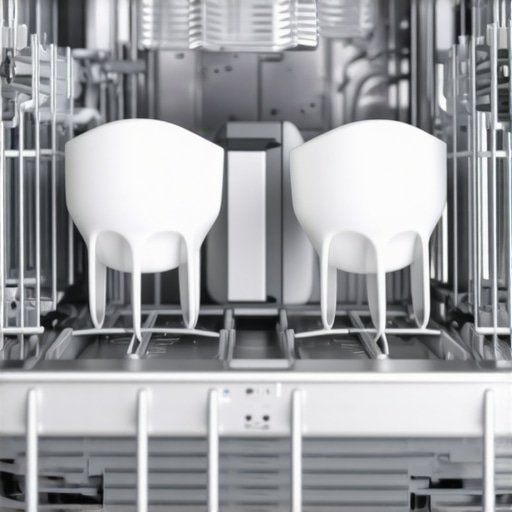
Ever stood in front of your dishwasher, frustration bubbling over as dishes remain gritty and unclean? I vividly remember the sinking feeling when my once-spotless plates turned cloudy despite running multiple cycles. It hit me—something was wrong, but I couldn’t quite pinpoint it. That lightbulb moment led me down a rabbit hole of troubleshooting, where I learned that often, the culprit is one of the spray arms not functioning properly.
Why Your Dishwasher’s Cleaning Power Might Be Slipping
When your dishwasher isn’t cleaning as it should, it feels like a personal affront. After all, we count on this appliance to keep our kitchens hygienic and our dishes sparkling. But over time, minerals in water, debris buildup, or mechanical issues can block or damage the spray arms, reducing their spray pattern and pressure. This results in less effective cleaning, leaving dishes covered in food residue or film. Fixing this problem isn’t just about getting your dishes clean; it’s about preserving the lifespan of your appliance and avoiding costly repairs down the line.
Have you noticed your dishwasher leaving behind grime or water spots? You’re not alone. Many homeowners overlook the importance of the spray arms until the problem becomes glaring—literally. Early diagnosis can save you money and frustration, but it requires a bit of know-how. That’s where I come in, sharing my own missteps and discoveries.
One mistake I made early on was assuming that cleaning the spray arms meant just rinsing them off. Turns out, mineral buildup like limescale can clog tiny nozzles, impairing water flow. A professional technician once told me that regular maintenance and inspection are key to preventing these issues. For more detailed diagnostics and parts recommendations, check out this comprehensive guide.
In the next sections, I’ll walk you through practical, proven fixes—so your dishwasher can once again unleash a powerful, even spray, promising spotless dishes every time.
,
Remove and Examine the Spray Arms
Start by unplugging your dishwasher to ensure safety. Locate the spray arms—usually at the bottom and sometimes at the top of the interior. Use a screwdriver to unscrew and gently lift them out. Look for signs of clogging or damage. I once found a mini flag of debris lodged in the nozzles, which drastically lowered water pressure—causing me extra cleaning time. Rinse the spray arms thoroughly under running water and inspect each nozzle for blockages.
Clear Clogs Effectively
Use a toothpick or a small wire to dislodge mineral deposits or food debris stuck in the tiny nozzles. Be gentle to avoid damaging the spray arm. For persistent mineral buildup, soak the spray arms in a mixture of equal parts vinegar and hot water for an hour—this dissolves limescale effectively. Remember, mineral deposits like limescale can clog nozzles, reducing spray pressure, so regular descaling helps maintain optimal performance. For detailed diagnostic techniques, visit this comprehensive diagnostics guide.
Reinstall and Test the Spray Arms
Once clean and dry, reattach the spray arms securely, ensuring they spin freely without obstruction. Plug in your dishwasher and run a short cycle with a cup of white vinegar to flush out any remaining debris. Observe if the spray pattern has improved—aiming for a steady, wide spray covering the interior evenly. If cleaning doesn’t restore proper flow, consider replacing the spray arms. Parts can be found using trusted sources like this troubleshooting guide. Regular maintenance, such as cleaning every 6 months, prevents mineral buildup and guarantees spotless dishes every cycle.Many homeowners believe that diagnosing appliance issues is straightforward—simply replace a part or follow online guides. However, what many overlook is the intricate relationship between different components and how symptoms can mask underlying problems. For instance, replacing a faulty heating element in your oven without checking the thermostat or sensors can lead to recurring issues, wasting your time and money. Advanced diagnostics require understanding how components interact, and blindly changing parts often results in misdiagnoses. One common myth is that all faults can be fixed with inexpensive parts—a misconception that ignores the complexity of these appliances. According to appliance repair expert techniques detailed in this comprehensive repair guide, effective troubleshooting involves a systematic approach—testing sensors, checking control boards, and understanding error codes rather than assuming a single culprit. Rushing into parts replacement without proper diagnosis can also lead to costly mistakes. The ‘oops’ factor here is neglecting the importance of verifying each component and understanding the diagnostic process. For example, a dishwasher that doesn’t spray water might seem like a pump failure but could actually stem from a clogged filter or faulty door latch sensor. By missing this nuance, you may replace parts unnecessarily. To avoid this trap, focus on a step-by-step diagnostic process, leveraging expert guides and tools rather than guesswork. Isolating the genuine culprit saves money and prevents frustration. Are you aware of the interconnected nature of appliance parts? Many get caught by focusing on isolated symptoms rather than tracing the problem back to its root cause. This advanced insight can be the difference between a quick fix and a prolonged, expensive repair. Remember, a thorough diagnostic approach—testing control boards, sensors, and motors—can uncover hidden issues that simple part swaps won’t address. Want to master this diagnostic art? Start by exploring this quick repair guide to get a feel for the process. Have you ever fallen into this trap? Let me know in the comments.
Tools I Recommend for Reliable Appliance Maintenance
Maintaining your dishwasher and oven effectively requires precision tools that enable you to diagnose problems accurately and perform repairs confidently. I personally rely on a digital multimeter because it allows me to test electrical components like thermostats and heating elements with quick, reliable readings—saving me time and preventing unnecessary part replacements. For plumbing components, a small inspection mirror and a flashlight are invaluable for viewing hard-to-reach areas such as the back of the dishwasher or behind the oven, helping me spot leaks, clogs, or broken parts without dismantling everything unnecessarily.
When it comes to cleaning spray arms and filters, I swear by a toothbrush with firm bristles—it’s perfect for scrubbing mineral deposits and debris from tiny nozzles without causing damage. For descaling, I prefer a high-quality white vinegar solution because it dissolves limescale gently but effectively, ensuring long-term performance. Additionally, a set of precision screwdrivers with different bit sizes helps me remove panels and parts smoothly, especially when working on appliances with tightly secured screws. Regularly using these tools ensures I catch issues early and avoid downtimes.
How do I maintain appliances over time?
Beyond having the right tools, regular inspections are key. I schedule bi-annual checkups for my appliances, which involve cleaning filters, inspecting spray arms, and testing electrical components with my multimeter. For detailed diagnostics, I consult expert guides like this comprehensive troubleshooting resource, which helps me identify potential problems before they escalate. Using software diagnostics can also be invaluable; many modern appliances come with built-in diagnostic modes accessible via control panels. These modes provide error codes and real-time data, making troubleshooting much more straightforward.
Looking ahead, I believe the trend will lean heavily toward smart diagnostics integrated into appliances, offering remote monitoring and troubleshooting via smartphone apps. This evolution will make maintaining long-term performance even easier—imagine receiving alerts for filter clogs or component failures before your appliance even shows signs of trouble. To stay ahead, I suggest investing in diagnostic tools compatible with your appliances, and regularly updating your knowledge base on emerging repair techniques.
One practical tip I recommend trying today: calibrate your thermostat with a multi-tester and a meat thermometer—this simple check can prevent temperature inconsistencies that cause poor cleaning or uneven baking. Quick, accurate diagnostics like this keep your appliances in peak condition, saving money and time in the long run. For more advanced troubleshooting methods, check out this detailed guide.
Over the course of troubleshooting my appliances, I discovered that owning a few key skills and tools transforms frustrating breakdowns into manageable DIY projects. One of the biggest lessons was recognizing that appliance issues rarely stem from a single cause; instead, they reveal an interconnected web of components that require a systematic approach to diagnosing. For example, a dishwasher that isn’t cleaning properly might have a clogged spray arm, but it could also involve worn spray nozzles, faulty sensors, or drainage problems. Embracing this holistic view empowered me to perform more precise repairs and avoid unnecessary replacements.
Lessons That Keep Me Ahead of the Game
- Don’t assume small issues will resolve themselves: Regular inspections prevent minor problems from escalating, saving money and time. For instance, cleaning spray arms and filters every six months keeps minerals and debris from impairing performance.
- Invest in quality diagnostic tools: A reliable multimeter and inspection mirrors are indispensable. They help me quickly identify electrical faults or hidden leaks, which might otherwise lead to costly service calls.
- Think beyond replacement parts: Understanding how components interact avoids futile repairs. A faulty heating element isn’t always the culprit—sometimes, sensors or control boards are to blame. Exploring this guide opened my eyes to the importance of comprehensive diagnostics.
Tools and Guides That Change the Repair Game
- Digital Multimeter: Trusted for quick electrical checks, it saves me hours of guesswork. I use it to validate sensor functions and test heating elements, ensuring accurate repairs.
- Cleaning Brushes and Vinegar Solutions: A toothbrush helps remove mineral deposits without damage, while vinegar soaks dissolve limescale naturally, preserving nozzle flow.
- Expert Resources: this repair guide provides step-by-step diagnostics that significantly boost my confidence and success rate. Regularly reviewing these materials keeps me updated on best practices and emerging troubleshooting techniques.
Embrace the Challenge, Boost Your Confidence
Taking ownership of appliance repairs is empowering and cost-effective. Each successful fix builds my skills and confidence, transforming what once felt daunting into a satisfying accomplishment. Remember, every problem is an opportunity to learn something new—whether it’s cleaning out a clogged spray arm or testing a sensor with a multimeter. The journey toward becoming a competent DIY repairer is ongoing, but with curiosity and patience, you’ll find that you’re capable of more than you thought. Don’t hesitate to start troubleshooting your own dishwasher or oven and experience the pride that comes with solving problems firsthand.
What appliance issue have you been hesitant to tackle, and what’s holding you back? Share your story below—I’d love to hear about your experiences and help you get started!
,