I’ll never forget the day I loaded my dishwasher, turned it on, and was greeted by a symphony of *thumps* that sounded more like a construction site than a kitchen appliance. At first, I thought something inside was about to break apart, or maybe I had accidentally installed a mini jackhammer in it! The noise was relentless, making me dread doing dishes every time. That’s when I realized: this isn’t just normal washing—something’s wrong. And if you’re here, chances are you’ve experienced that same pounding, frustrating, disruptive sound. It’s enough to turn a simple chore into an ordeal.
Why Does Your Dishwasher Make That Hammering Sound Anyway?
I’ve been down this rabbit hole, and let me tell you, discovering the reasons behind the racket was eye-opening. The truth is, a thumping dishwasher rarely signals a major disaster—most often, it’s something you can fix yourself. But understanding the whys can seem confusing at first. You might wonder, Is this fix worth my time, or should I call in a pro? Well, based on my early mistakes, I learned that tackling the issue with a little knowledge saves money and stress. Trust me, I replaced what I thought was a simple clip only to find out I’d missed a more pressing problem. Before you dive into repairs, let’s look at what causes that relentless pounding and how you can stop it in its tracks.
Is Fixing This Noise Really Worth It, or Will It Just Come Back?
I used to think that any noise meant I had a major problem on my hands. Turns out, much of the noise is due to common, easily fixable issues. For instance, a worn-out shock absorber or a misaligned spray arm might be the culprits. After some research, I found that overlooking simple things like loose parts or debris can lead to ongoing noise and even damage if left unaddressed. For more detailed diagnostics, I recommend checking out this guide for related issues that often accompany or cause similar symptoms. Now, let’s get into what specific parts you should inspect and how to do it without turning your kitchen into a disaster zone.
Check for Loose Parts and Debris
Start by unplugging your dishwasher and removing the racks to access the interior. Look for any loose screws, clips, or debris that might be hammering against the spray arm or pump. I once found a detached utensil caught near the motor, causing a rhythmic thump each cycle. Removing such obstructions instantly quieted the unit and saved me a costly repair.
Inspect the Shock Absorbers
Next, focus on the shock absorbers that stabilize the moving components during wash cycles. These tiny but crucial parts dampen vibrations and prevent banging. To test, gently push the spray arm or pump; if it wobbles excessively or makes noise, the shock might be worn out. Replacing them can be straightforward; just detach the old, snap in the new, and you’ll notice immediate silence. For detailed steps, consult this guide on dishwasher thermistor fixes.
Examine Spray Arm Alignment
Misaligned spray arms can hit the tub walls or other components, causing pounding sounds. Spin the arms by hand to check for smooth rotation. If they wobble or skew, detach the arms and realign or replace them. Remember to clear any clogs or mineral buildup that might hinder rotation. Successful alignment prevents pounding and improves cleaning efficiency.
Assess the Pump and Motor Assembly
The pump and motor are often culprits behind persistent banging. Remove the access panel and listen closely during operation—unusual noises or vibrations indicate trouble. Examine the impeller for obstructions or damage, and replace worn bearings or seals as needed. During my first attempt, I noticed a tiny stone lodged in the impeller, which I removed carefully—this instantly reduced the noise level. Use this guide on dishwasher motor fixes for comprehensive instructions.
Test the Drainage System
A clogged or faulty drainage system can cause water to slosh violently, producing thumping sounds. Check the drain filter, hose, and siphon break for blockages. Clearing debris clears the water flow, reducing vibrations. If water remains stagnant, inspect the drain pump for failure, which could be causing the loud noises due to strain. For more on drainage fixes, see drain clog solutions.
Replace Worn or Damaged Components
If diagnostics reveal a worn shock absorber, damaged spray arm, or faulty pump, replacing these parts is essential. Always order genuine replacements matching your dishwasher model. For example, a worn-out shock absorber can be swapped in under 15 minutes with a screwdriver and a few clips. Remember, detailed repair tutorials are available at solenoid fixes for dishwashers. Tackle the part replacements peeling away the noise and extending your appliance’s lifespan.
Many homeowners assume that troubleshooting appliances is straightforward, often relying on generic advice or assumptions. However, the reality is that there are subtle nuances and common misconceptions that can lead you astray. For instance, a prevalent myth is that all noise in a dishwasher indicates imminent failure. While some sounds are harmless, others could signal minor issues that, if addressed early, prevent costly repairs. Rushing to replace parts without proper diagnostics can waste time and money, especially if you overlook simpler causes like debris or misaligned components.
Why do so many get diagnostics wrong, and what are the pitfalls to avoid?
One major trap is over-relying on visual cues or assuming a component is faulty based solely on age or appearance. Studies suggest that prolonged misdiagnoses often stem from skipping thorough testing or misinterpreting symptoms. For advanced DIY enthusiasts, it’s vital to understand the specific behaviors associated with different parts. For example, a humming sound may be due to debris in the pump rather than a faulty motor, which a simple inspection can confirm. Armed with the right knowledge, you can pinpoint issues like a worn-out thermistor or a misfiring control board more accurately. Consult detailed guides on thermistor replacements or gasket fixes to refine your diagnostic skills. Remember, every component interacts with others, so isolating the problem requires understanding these interconnected nuances. Additionally, it’s a mistake to assume that parts are universally compatible—always verify compatibility and source genuine replacements to avoid future issues. External research, such as consulting appliance manuals or reputable repair guides, can turn diagnostics from guesswork into a precise science. Do you reckon you’ve fallen into any diagnostic traps? Share your experiences in the comments and let’s troubleshoot smarter together!
Tools I Trust for Ongoing Dishwasher Maintenance
Maintaining a dishwasher over the long term requires precision and the right equipment. I personally rely on a few specialized tools that make diagnostics and repairs more straightforward. A quality multimeter is essential to test electrical components like thermostats and control boards; I prefer a digital model with auto-ranging to get accurate readings quickly. A sturdy Phillips-head screwdriver and a set of socket wrenches are indispensable for removing panels and replacing parts such as broken spray arms or bad bearings. For cleaning, a soft-bristled brush helps dislodge mineral buildup from spray nozzles, ensuring consistent water flow and preventing pounding noises caused by clogs. Investing in these tools pays off because they allow you to troubleshoot issues without calling an expensive technician every time.
Software and Diagnostic Techniques That Save Time
Beyond physical tools, I utilize diagnostic software compatible with many modern dishwashers. Some brands offer proprietary apps or interface modules that can read error codes and sensor data directly from the appliance. For instance, connecting a diagnostic reader to the control board’s service port can reveal issues with the thermistor or pressure sensors, enabling targeted repairs like checking thermistor health. While these solutions may require an initial investment, they streamline troubleshooting and prevent unnecessary part swaps. Looking to the future, I predict that IoT-enabled smart diagnostics will become standard, allowing homeowners to run comprehensive health checks via smartphone apps, significantly reducing repair guesswork.
How do I keep my appliance working reliably over time?
Regular maintenance is key. I schedule monthly inspections of accessible parts like the spray arms and filters. A deep cleaning of the pump impeller and drainage system every six months helps prevent issues such as leaks or loud banging. Also, using high-quality rinse aids and water softeners reduces mineral buildup that causes debris and wear on internal components. For more detailed long-term care strategies, explore this gasket repair guide.
Scaling Up: Making Repairs Last and Preparing for Growth
As your familiarity with diagnostics deepens, consider investing in a professional-grade kit that includes replacement parts and advanced testing tools. This allows you to handle multiple units or larger family needs without delays. Additionally, always document the repair process; keeping a maintenance log helps identify patterns and plan preventive steps, extending appliance lifespan. Looking ahead, automated diagnostics combined with AI-driven maintenance schedules could become commonplace, making DIY repairs more accessible and reducing the need for frequent service calls.
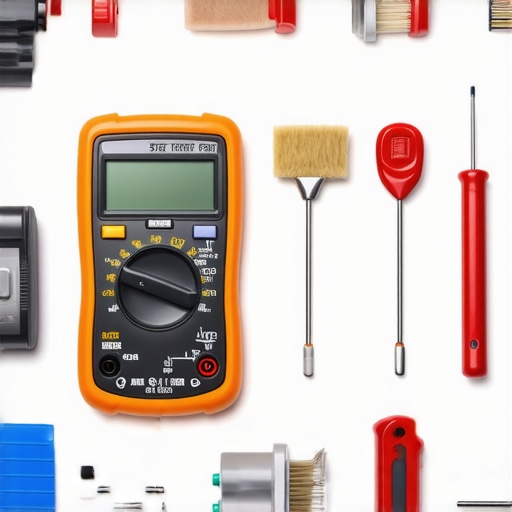
Image prompt: A technician’s professional toolkit laid out with multimeter, screwdriver set, brush, and diagnostic device, illustrating essential maintenance tools for dishwashers. Alt: Home repair tools for dishwasher diagnostics. Title: Essential Tools for Dishwasher Maintenance.
Leftfield Lessons That Changed My Approach to Appliance Repairs
One surprising insight I gained is that most banging or thumping noises aren’t signs of catastrophic failure but simple issues like debris or misaligned parts. Overconfidence in quick fixes can lead to unnecessary replacements; taking a meticulous diagnostic approach saves time and money.
Another lightbulb moment was realizing the importance of understanding the interconnectedness of components. Fixing a worn-out shock absorber without checking the spray arm alignment or pump condition can be like treating symptoms without curing the disease—ineffective in the long run.
Lastly, I learned from mistakes that rushing into repairs without proper tools or research often results in more chaos. Investing in quality diagnostic tools and consulting trusted guides can turn a frustrating pounding into a straightforward fix, making appliance maintenance less daunting.
Tools and Resources That Keep My Dishwasher Running Smoothly
My essential toolkit includes a high-quality multimeter for electrical diagnostics, a versatile set of screwdrivers and wrenches for part replacements, and a soft brush for cleaning nozzles and filters. These tools enable accurate troubleshooting and effective repairs.
For guides and diagnostics, I rely on reputable sources like this gasket repair guide and motor fixes. They provide detailed, step-by-step instructions that boost my confidence in handling repairs.
Plus, software tools and diagnostic apps can quickly identify error codes and sensor issues, making troubleshooting more precise. Embracing these resources has transformed my DIY approach from guesswork to a science, saving future headaches.
Take Charge and Keep Your Dishwasher Quiet and Reliable
Don’t let that pounding sound become a mystery you accept. With patience, the right tools, and trusted guides, you can troubleshoot effectively and extend your dishwasher’s life. Every repair deepens your understanding and empowers you to handle more complex issues over time. So, get curious, stay diligent, and enjoy the satisfaction of a well-maintained kitchen appliance.
Comments are closed.