![3 Fixes for a Gurgling Dishwasher Drain Pump [2026]](https://appliancebargainz.com/wp-content/uploads/2026/03/3-Fixes-for-a-Gurgling-Dishwasher-Drain-Pump-2026.jpeg)
It was a morning like any other—I loaded my dishwasher, turned it on, and suddenly, I was met with an unsettling gurgling sound from the drain. That unmistakable, bubbly noise instantly put me on alert. It was as if the dishwasher was struggling to breathe, and honestly, I felt a pang of frustration. We’ve all been there: trusting our appliances, only to have them act up at the worst possible moment.
That lightbulb moment hit me hard—my dishwasher’s drain pump was probably trying to tell me something. And you know what? It was a puzzle I had to solve, especially since ignoring these sounds can lead to bigger problems down the line. Today, I want to share with you the three most effective fixes I discovered for a gurgling dishwasher drain pump in 2026, so you’re not left scratching your head or calling in a pro unnecessarily.
### Is Your Gurgling Drain Worth the Trouble?
Many folks dismiss these noises as just a quirk, but studies show that persistent gurgling often indicates underlying issues that can cost a lot more if left unchecked. According to appliance experts, ignoring such signs can lead to water backing up or even leaks—costly repairs that can be avoided if caught early.
In my early days of DIY fixes, I made the mistake of assuming the problem was simply normal operation. That led to a flooded kitchen and a much-needed lesson in appliance diagnostics. Now, I approach dishwashers with a sharper eye (and ear!), knowing that those strange noises are trying to warn me.
If you’ve noticed your dishwasher making odd sounds, it’s worth paying attention sooner rather than later. In the sections ahead, I’ll walk you through three straightforward fixes that can bring peace back to your kitchen and save you a chunk of change. Plus, I’ll point you to some helpful resources, like how to check if your water inlet valve is contributing to drainage issues.
Let’s dive into how to silence that gurgling once and for all, so your dishwasher runs smoothly and quietly—just the way it should. Ready to become your own appliance hero? Great! Keep reading, because your troubleshooting adventure begins now.
Inspect the Drain Pump Strainer and Filter
Start by unplugging your dishwasher for safety. Locate the drain pump assembly—usually at the bottom of the unit—and remove the filter and strainer. Clear out any debris, food particles, or buildup that might obstruct water flow. I once found a handful of rice and corn kernels preventing proper drainage, causing that bubbly gurgling sound. After cleaning, reassemble everything, plug in the dishwasher, and run a short cycle. If the noise diminishes, you’ve fixed the problem.
Check and Clean the Drain Hose
Next, inspect the drain hose connected to your sink or garbage disposal. Detach it carefully—be prepared for residual water—and look for clogs or kinks that block water flow. Use a long brush or pipe cleaner to clear any buildup inside the hose. Reattach it securely and run a test cycle. A clogged hose often causes air pockets and gurgling noises, as I discovered when a kink in my hose caused similar issues. Regular cleaning prevents future problems and keeps your drain running smoothly.
Test the Drain Pump Motor
If cleaning the filter and hose doesn’t resolve the noise, the drain pump motor might be faulty. Listen for the pump running during draining; it should spin steadily without strange noises. To test it, locate the pump—usually at the base—and disconnect its wires. Use a multimeter to check for continuity; if the motor lacks continuity, it’s dead. Replacing the pump is straightforward but requires careful handling. For a hands-on approach, follow our guide on troubleshooting dishwasher parts to ensure precise diagnostics.
Evaluate the Water Inlet Valve
Sometimes, a malfunctioning inlet valve can cause drainage issues that lead to gurgling. Check whether your valve is fully open and free of debris. If it’s clogged or defective, water flow may be restricted, leading to airlocks in the drain system. For more details, see our article on signs of a dead water inlet valve. Replacing the valve involves shutting off water supply, disconnecting pipes, and installing the new part. This step often eliminates persistent drain noises.
Monitor for Underlying Plumbing Issues
Persistent gurgling might suggest issues outside the dishwasher, such as venting problems in your home’s plumbing. If these fixes don’t work, consider consulting a plumber or checking your vent stack. Proper ventilation allows air to escape properly during drainage, preventing vacuum build-up that causes noises. Addressing vent issues is critical to maintain appliance health and avoid recurring problems.
When it comes to appliance repairs, many homeowners operate under misconceptions that can lead to costly mistakes and frustration. One common myth is believing that replacing a single faulty part always resolves the problem. In reality, appliances like dishwashers and ovens are intricate systems where multiple components interact, and a failure often signals underlying issues elsewhere. For example, if your dishwasher isn’t draining properly, replacing the drain pump without inspecting related parts like gaskets, valves, or the control board may only be a temporary fix. Expert diagnostics, such as those discussed in our repair guide, are crucial to identify the true source of the malfunction.
Another widespread misconception concerns the safety of DIY repairs. Many assume that fixing appliances is straightforward, but this neglects the nuanced safety protocols required, especially for gas ovens or high-voltage components. Missteps, like ignoring proper disconnection procedures, can result in personal injury or further damage. Always consult comprehensive resources or professionals when in doubt, and consider checking out our article on gas oven fixes to understand the complexities involved.
One advanced question I often encounter is: How do I diagnose a malfunction that doesn’t produce obvious symptoms? In such cases, superficial inspections won’t suffice. Instead, employing a combination of visual checks, multimeter testing, and diagnostic scans can reveal subtle faults. For example, sensors in ovens or electronic control boards might fail gradually, causing inconsistent heating or timing issues. Relying solely on trial-and-error can exacerbate the problem, so investing time in targeted diagnostics is essential. For an in-depth approach, reviewing our diagnostic procedures can help you develop a systematic troubleshooting process.
Furthermore, many get caught in a trap of focusing only on readily accessible parts like thermostats or switches, neglecting internal components like wiring harnesses and the main control modules. This can lead to repetitive repairs that don’t address the root cause. External resources, such as our guide on control board diagnostics, can shed light on these hidden culprits.
Understanding these nuances isn’t just about fixing your appliances; it’s about doing so efficiently and safely. Better diagnostics mean fewer parts replaced unnecessarily, saving you time and money. Have you ever fallen into this trap? Let me know in the comments.
Why do some diagnostic tests miss subtle faults in appliances?
Advanced diagnostics often require multi-faceted approaches, combining visual inspection, electrical testing, and understanding of appliance behavior. Relying solely on symptom observation or simple checks can overlook issues like slow-degrading sensors or microcontroller faults. According to appliance repair expert advice, integrating sensor testing with control board diagnostics can uncover problems invisible to basic methods. For example, testing oven temperature sensors with a multimeter may reveal inconsistencies that cause uneven baking, which simple visual checks won’t catch. To avoid misdiagnosis, it’s vital to adopt a layered diagnostic approach, combining different testing methods for comprehensive results.
Invest in Quality Diagnostic Equipment for Reliable Repairs
Having the right tools is crucial to ensuring your appliances stay in top condition over the years. I personally recommend investing in a high-quality multimeter, like the Fluke 115 or Klein Tools MM6000, because they provide precise readings necessary for diagnosing electrical issues in components such as control boards and sensors. Additionally, a digital thermometer with an infrared gun allows quick temperature checks without dismantling parts, which is invaluable when troubleshooting oven heating problems. Keeping these tools handy saves time, reduces frustration, and helps you pinpoint issues with confidence.
Schedule Routine Maintenance to Extend Appliance Lifespan
Prevention beats repair — especially when it comes to complex appliances like dishwashers and ovens. A monthly inspection of filters, gaskets, and hoses can prevent minor issues from escalating into costly repairs. For dishwashers, regularly cleaning the water inlet valve and drain filters ensures smooth operation and prevents residue buildup that causes draining problems. When it comes to ovens, checking door seals and calibrating temperature sensors periodically maintains optimal performance. Consistent small steps can drastically reduce downtime and extend the lifespan of your appliances.
Streamline Repairs with Modern Software and Apps
Embracing technology can make maintenance more manageable. I utilize diagnostic apps compatible with Bluetooth-enabled multimeters, like the Fluke Connect, which log data and help identify patterns over time. For oven calibration and sensor testing, I rely on manufacturer-specific diagnostic tools and firmware updates. These digital resources streamline troubleshooting, providing step-by-step guidance and reducing guesswork. As technology advances, future tools may incorporate AI-powered diagnostics, further simplifying complex repairs—making DIY maintenance even more accessible.
How Do I Keep My Appliances Running Smoothly Over Time?
In addition to regular cleaning and part inspections, establishing a preventive maintenance routine tailored to your specific models can save money in the long run. Following manufacturer guidelines, such as checking for firmware updates or recalibrating sensors annually, maintains appliance accuracy. For instance, ensuring your water inlet valve is functioning correctly by referring to detailed checks can help avoid drainage issues later—especially relevant if you want to prevent problems like those discussed in our guide on signs of a dead water inlet valve. Remember, proactive care often costs less than emergency repairs.
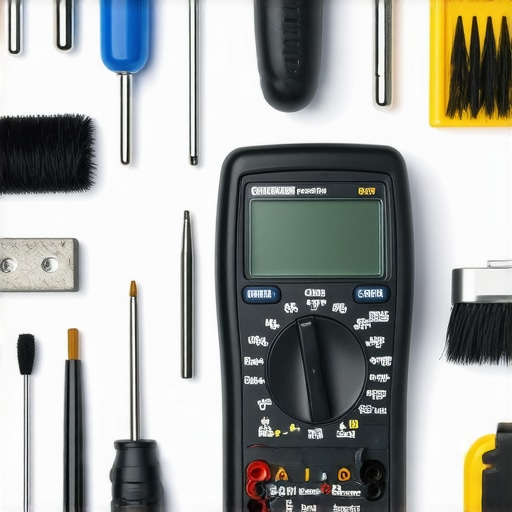
Image showing a neatly organized toolbox with digital multimeter, screwdriver set, and cleaning brushes, emphasizing the importance of having quality tools for appliance maintenance.
The Hardest Lesson I Learned About dishwasher,parts,diagnostics,oven repair
Early in my repair journey, I underestimated the complexity of appliance systems, thinking replacing a part would fix everything. That oversight led me to realize that understanding the interconnected nature of components is crucial for effective troubleshooting and avoiding repeat failures.
3 Myths About dishwasher,parts,diagnostics,oven repair That Held Me Back
I used to believe that a single faulty part was always the culprit, and that DIY repairs were simple without proper tools. Dispelling these myths opened my eyes to comprehensive diagnostics and investing in quality equipment for reliable repairs.
What Experts Won’t Tell You About dishwasher,parts,diagnostics,oven repair
Professionals often know that persistent issues may stem from hidden or overlooked causes. Embracing detailed diagnostics and understanding subtle signs can prevent unnecessary part replacements and extend appliance lifespan.
My Essential Toolkit for Appliance Troubleshooting
Reliable multimeters like the Fluke 115, detailed repair guides, and digital infrared thermometers have been indispensable in my repairs. They provide precise readings and insights, making complex diagnoses manageable.
Where to Go from Here
Continue learning through trusted repair manuals, participating in online forums, and practicing troubleshooting methods. Staying proactive with maintenance routines and diagnostics ensures your appliances run efficiently for years to come, saving money and headaches.
Keep the Flame Alive: Your Repair Journey Continues
Armed with experience and the right tools, you’re now better prepared to tackle dishwasher and oven issues confidently. Remember, each repair is a step toward mastery. Don’t hesitate to experiment and learn from each fix—you’re building valuable skills that pay off in comfort and savings.
Have you ever faced a repair that seemed impossible at first? Share your story below and let’s learn together!
Emily Carter
This post really hit home for me, as I’ve recently encountered that same unsettling gurgling sound during a cycle. I agree that it’s often a sign of underlying issues, like build-up or clogs, that shouldn’t be ignored. I appreciate the step-by-step guide, especially the emphasis on inspecting the drain pump strainer and filter first. In my experience, debris like food particles blocking water flow can cause those bubbly noises, and cleaning the filter often does the trick. However, I found that persistent noises sometimes point to a failing drain pump motor, which requires more careful diagnosis. I’m curious—has anyone here successfully replaced a drain pump on their own? Any tips for a first-timer? Also, I wonder if there are specific signs that indicate when it’s time to call a professional instead of DIY. For me, ensuring proper maintenance and regular cleanup has helped prevent these issues, but I’d love to hear other folks’ preventive measures.