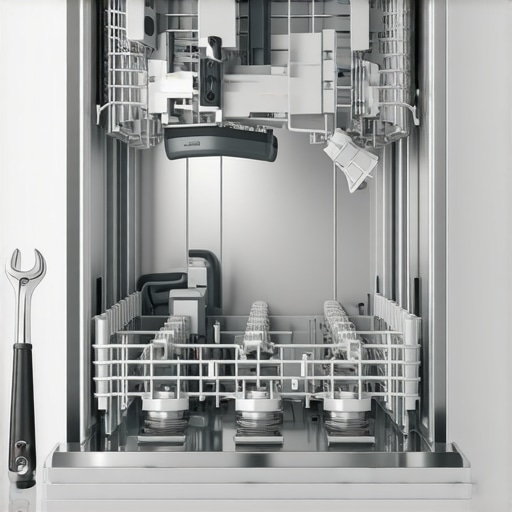
I remember the exact moment I realized my dishwasher was a water guzzler. I opened it up after a cycle and noticed more puddles of water than usual, even though the dishes looked only half-done. That lightbulb moment made me dive into the causes behind excessive water use — and let me tell you, it’s more common than you think. If your dishwasher seems to be drinking more water than it should, you’re not alone. It’s frustrating, expensive, and can even lead to costly repairs down the line.
Why Monitoring Water Usage Matters
By the time I caught onto the issue, I was already throwing money away on higher water bills each month. It turns out, many homeowners overlook simple checks that can save big bucks — especially as appliances age or get clogged. Excessive water in your dishwasher isn’t just an annoyance; it can signal underlying problems, like faulty valves or misadjusted parts, which if left unaddressed, might cause leaks or damage your floors. According to the U.S. Department of Energy, inefficient water use in household appliances contributes significantly to environmental waste and higher bills — so keeping tabs on your dishwasher’s water intake is a smart move.
Today, I want to walk you through three essential valve checks that could prevent you from facing unexpected breakdowns or sky-high utility bills in 2026. Trust me, a little preventative maintenance can save a lot of hassle later. Have you noticed your dishwasher filling up more than usual or taking longer to complete cycles? If so, don’t worry — you’re about to discover straightforward steps to troubleshoot this issue.
Is the Water Valve Check Really Worth the Effort?
I admit, when I first started diagnosing my dishwasher, I underestimated the importance of these valves. Early on, I made the mistake of ignoring a seemingly minor fill issue, which led to a larger leak that took a weekend to fix. That experience taught me to be more proactive. Checking the water inlet and fill valves isn’t complicated, and you can find detailed guides on [how to test your dishwasher’s water inlet valve](https://appliancebargainz.com/dishwasher-wont-filling-4-parts-to-check-before-calling-a-pro-2026). Doing so can spot potential problems before they escalate, saving you money and stress.
So, let’s get into the nuts and bolts of how to ensure your dishwasher isn’t secretly gulping down water. Ready to learn the crucial valve checks? Great, because the next step is understanding what might be causing your water overuse — and how to identify it quickly.
Get Your Hands Dirty with the Inlet Valve
Start by unplugging your dishwasher and shutting off the water supply. Locate the inlet valve, usually behind the lower front panel. Remove the panel, then disconnect the water hose from the valve, placing a towel underneath to catch any residual water. Inspect the valve for debris or corrosion. Use a multimeter to test the coil’s resistance; a reading outside the 300-1,200 ohm range indicates a faulty coil. I once replaced my inlet valve after noticing a slight buzzing sound during filling—once swapped, the water flow normalized, and my bills dropped. Regular testing prevents leaks and overfilling.
Check the Float and Float Switch
The float acts as a water level sensor, rising with water and triggering the switch to stop the inlet valve. Remove the dishwasher access panel and gently lift the float; it should move freely without sticking. Use a multimeter to test the float switch for continuity; if there’s none, replace it. In my case, debris lodged beneath the float caused it to stick, leading to overfilling. Clearing obstructions or replacing a faulty switch restores proper water levels.
Inspect and Clean the Water Valves
Over time, mineral deposits can clog valves. Detach the water inlet hoses and inspect for sediment. Soak the hoses in vinegar overnight to dissolve mineral buildup. Clean the inlet screens with a soft brush. Sometimes, a simple rinse with water restores proper flow. For stubborn clogs, replacing the entire valve assembly might be necessary. A thorough cleaning saved me from purchasing a new dishwasher and prevented future leaks.
Confirm Proper Operation and Regular Maintenance
After reassembling, restore power and water. Run a short cycle to observe the fill process closely. Listen for abnormal sounds or irregular fill times. If the dishwasher overfills again, recheck the valve and float switch. Incorporate routine inspections—every 6 months—to catch issues early. During one routine check, I noticed a slight slow fill rate—by promptly cleaning the inlet filter, I avoided potential leaks and water waste. Staying proactive keeps your dishwasher running efficiently and your water bills low.
For more detailed diagnostics, consider exploring [effective dishwasher troubleshooting parts](https://appliancebargainz.com/effective-dishwasher-troubleshooting-parts-expert-repair-guide-2025), which offers expert-recommended checks to keep your appliance in top shape.
Many DIY enthusiasts believe that replacing a single problematic part guarantees complete appliance recovery, but this oversimplification can lead to recurring issues or even new problems. For instance, swapping out a faulty heating element in your oven without inspecting related sensors or the control board may provide only a temporary fix, or worse, mask deeper faults. Advanced diagnostics often require analyzing interconnected systems—misdiagnosis here can result in unnecessary expenses and headaches. According to appliance repair expert insights, understanding the interplay between parts is crucial for effective repairs. Beware of the trap where replacing visible parts becomes a fixation, neglecting the underlying circuitry or sensors that actually control the process. Have you ever fallen into this trap? Let me know in the comments. Interestingly, many homeowners overlook the significance of nuanced diagnostics. For example, a dishwasher not drying dishes might seem like a vent fan issue, but it could stem from faulty moisture sensors or control boards, which are less obvious but critical. Similarly, in oven repairs, a common myth is that a non-heating oven is solely a matter of a broken bake element. However, issues with temperature sensors or wiring harnesses might be the real culprits. It’s important to recognize that appliance systems are complex and interconnected; a fault in one part often affects others. To avoid costly misdiagnoses, consider consulting detailed diagnostic guides—like testing your oven igniter or verifying a dishwasher’s vent fan operation. For advanced troubleshooting techniques, don’t miss expert resources on parts like the oven’s control board or the dishwasher’s pump assembly. Engaging with these nuances ensures efficient repairs and longer appliance lifespan. Remember, the key to successful DIY repairs lies in understanding the full system, not just the symptomatic parts. Let me empower you to look beyond the obvious and diagnose effectively. Ready to master your appliance’s secrets? Explore comprehensive diagnostic strategies and give your appliances the care they deserve.
Investing in the Right Equipment
When it comes to maintaining your appliances, having the proper tools makes all the difference. I personally rely on a high-quality digital multimeter because it provides quick, accurate readings of electrical components like relays and sensors, which are crucial in diagnosing issues such as faulty water inlet valves or dead oven control boards. Additionally, a cordless cordless drill with assorted bits allows me to quickly remove panels and access internal parts without hassle, saving time during routine inspections or part replacements.
Furthermore, I recommend a specialized appliance brush set designed to clean filters, screens, and valves effectively. I use these brushes to gently scrub mineral deposits from inlet screens or debris from vent fans, ensuring parts function optimally and extending their lifespan. For more detailed diagnostics, a non-contact infrared thermometer helps me monitor temperature inconsistencies in ovens, quickly identifying faulty sensors or heating elements.
Leveraging Software for Diagnostics
In recent years, I’ve integrated smartphone-based thermal cameras to visually detect uneven heat distribution across oven surfaces. These devices connect via Bluetooth, providing real-time images that reveal hidden hotspots or cold spots, guiding precise repairs. Additionally, some appliance manufacturers offer proprietary diagnostic apps, which communicate with your appliance’s control board to display error codes and system status reports—streamlining troubleshooting and avoiding unnecessary part replacements.
Looking ahead, I believe the trend is moving toward smarter diagnostic tools that leverage AI to interpret sensor data and suggest fixes automatically, reducing the need for extensive DIY knowledge. Embracing these technologies now can significantly improve your maintenance effectiveness and appliance longevity.
What’s the Best Way to Maintain Your Appliances Over Time?
Beyond tools, establishing a routine maintenance schedule is vital. Regularly inspecting and cleaning filters, using vinegar washes for mineral buildup, and testing critical components prevent small issues from escalating into costly repairs. Investing in diagnostic resources, like [expert diagnostics for dishwasher troubleshooting](https://appliancebargainz.com/ultimate-dishwasher-diagnostics-parts-guide-for-2025), equips you to catch problems early and save money. I encourage you to try using an infrared thermometer during your next oven check—it’s a simple yet powerful way to verify even heat distribution and catch potential sensor issues before they cause uneven baking or energy waste. Incorporating these tools and practices into your maintenance routine ensures your appliances stay in top shape, saving you time and money in the long run.
What I Wish I Knew Before Diagnosing My Appliances
One of the most valuable lessons I learned is that patience beats guesswork. Rushing into part replacements without thorough diagnostics often leads to wasted time and money. Taking the time to understand how components like valves and sensors interact saved me from unnecessary expenses.
Another insight was realizing the significance of routine maintenance. Regularly inspecting and cleaning key parts prevents small issues from snowballing into major repairs, making appliance care much more manageable and cost-effective over time.
Lastly, I discovered that empowering myself with the right tools—not just for repair but also for accurate diagnosis—transformed DIY troubleshooting from a challenge into a rewarding experience. Having a multimeter, infrared thermometer, and quality brushes allowed me to identify problems early and act swiftly.
Tools and Resources That Make a Difference
My essential toolkit includes a high-quality digital multimeter—it’s my go-to for testing coils, switches, and sensors, ensuring I don’t replace parts blindly. I also rely on a cordless drill with various bits, which streamlines accessing internal components, saving considerable time. For cleaning stubborn deposits, a set of appliance brushes has proven invaluable, especially when clearing inlet screens or valves. Lastly, a smartphone-compatible thermal camera helps me visualize heat distribution, quickly spotting faulty sensors or uneven heating, thus enhancing the accuracy of my diagnostics.
For deep dives into appliance repair, I trust detailed guides like Effective Dishwasher Troubleshooting Parts Guide and Oven Repair Diagnostics Tips. These resources have expanded my knowledge and confidence, helping me fix appliances efficiently and reliably.
Your Next Step to Appliance Confidence
Embracing a proactive approach to diagnosing and maintaining your dishwasher and oven not only saves money but also fosters a deeper understanding of how your appliances tick. Every minor check completed and part inspected brings you closer to mastering your home system. Remember, the key is consistent care and curiosity—your appliances will thank you with reliable performance and longer lifespan.
Have you ever struggled with pinpointing the real cause of an appliance issue? Share your experience below and let’s learn together!