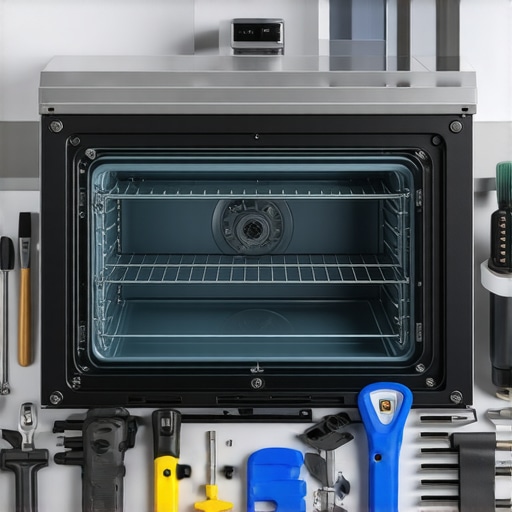
If you’ve ever stood in your kitchen and felt that gnawing hum, rattle, or squeal emanating from your oven, you know how disruptive it can be. I remember the first time my oven started making an odd grinding noise during a holiday dinner prep; it was almost enough to ruin the festive mood. That moment was a lightbulb for me—my trusty appliance was telling me it needed some TLC, but I didn’t know where to start. Years of DIY repairs and troubleshooting later, I learned that most oven noises come down to just a few interchangeable parts that, when swapped out, can restore peace and quiet to your kitchen.
The Quiet Oven Dream Is Within Reach
This is where I want to help you today. My goal is simple: I’ll show you exactly which four parts are most often responsible for noise issues and how swapping them can turn your noisy oven into a whisper-quiet workhorse by the time 2026 rolls around. Imagine baking your favorite cookies without the distracting hum, and having your oven operate smoothly, quietly, and efficiently. If you’ve been avoiding repairs because you feared it’d be too complicated or expensive, I get it—I’ve been there too. But trust me, with a few basic diagnostics, the right replacement parts, and some guidance, you’ll be back to a peaceful kitchen faster than you think.
Is Replacing Parts Really Worth the Hassle?
Early on, I made the mistake of thinking all oven noises were normal signs of aging. I ignored the grinding sound, chalking it up to just “how ovens are.” That was a mistake. It wasn’t until the oven failed to heat properly that I realized ignoring the problem only led to more costly repairs. For a comprehensive understanding of how to fix common oven issues, you might want to explore [essential diagnostics and parts for faster fixes in 2025](https://appliancebargainz.com/oven-repair-diagnostics-essential-parts-for-faster-fixes-2025-2). Knowing what’s wrong before diving into replacements makes all the difference. So, if your oven has started making strange noises or if you’re just seeking a quieter experience, stay tuned. The solution might be just a few swaps away, and I’ll guide you through it step by step.
Isolate the Cause of the Noise
Start by pinpointing where the noise originates. Open your oven door and listen carefully during operation. Use a wooden spoon or a stick to gently tap different components, listening for changes in sound. For example, if the sound intensifies when tapping near the fan, it’s a clue that the fan motor or blades might be involved. I once heard a loud squeal each time I used my oven and by carefully tapping around, I found the fan blade was rubbing against a misaligned housing—fixing that immediately silenced the noise.
Inspect and Test Key Components
Check the Oven Fan and Motor
Unplug the oven for safety. Remove the back panel to access the fan assembly. Manually spin the fan blades—if they resist or wobble, the fan motor might be failing. Use a multimeter to test the motor’s continuity; a failed motor often shows no reading. Replacing a faulty fan motor or blades can restore quiet operation; for step-by-step instructions, visit this repair guide.
Examine the Bake and Broil Elements
Look for visible cracks or blistering on the heating elements. Use a multimeter to check for continuity—no continuity indicates a broken element. A broken heating element can cause grinding or buzzing noises, especially during heating. When I replaced my broken bake element following the diagnostic steps outlined here, the oven became noticeably quieter and heated more evenly.
Check for Obstructions or Misalignments
Ensure that fan blades and heating elements are aligned properly and free from debris. Sometimes, accumulated grease or dust can cause unwanted vibrations. Use a soft brush to clean these parts, and reassemble carefully. I once cleaned the fan blades with compressed air, which immediately reduced rattling noises—a simple fix with a big impact.
Replace the Worn or Faulty Parts
If diagnostics confirm a faulty component, order the replacement parts based on your oven model. Use this resource to identify the most common and reliable replacement options. When installing new parts, follow manufacturer instructions meticulously to avoid additional issues. For example, during my first replacement, I labeled screws during disassembly to ensure I reassembled correctly—saving time and preventing damage.
Test and Confirm the Repair
Reconnect the power and run your oven through a cycle. Listen for any noises; a quiet, smooth operation confirms success. If noise persists, revisit the diagnostics or consider consulting a professional. Remember, systematic testing and careful installation are keys to long-term quiet operation.
Many homeowners approach appliance repairs with a naive confidence, believing that a quick visual inspection and basic troubleshooting can reveal all. However, this oversimplification often leads to misdiagnosis and unnecessary replacements. Let’s dig deeper into the nuances most overlook.
Why Relying Solely on Symptoms Can Backfire
It’s common for people to diagnose a noisy oven or a dishwasher that won’t drain based on the most obvious symptoms. Yet, a squealing oven fan might seem straightforward, but the root cause—such as a worn bearings or misaligned blades—can be concealed under the surface. Effective diagnostics involve testing components rather than just replacing parts based on appearance or sound. Relying solely on symptoms without testing can lead to costly errors.
The Danger of Overconfidence and Guesswork
Many believe that with a little tinkering, they can fix any issue. While an adventurous spirit is admirable, guesswork often costs more than it saves. For example, replacing the entire control board for an oven because of a malfunctioning display without checking the internal diagnostics can be a waste. Focus on proper diagnostics to identify the exact failure points, which will streamline repairs and save money.
Addressing the Myth of Costly Repairs
Many assume that professional repairs are expensive and complex. In truth, understanding the nuances in diagnostics and parts shows that DIY repairs can be affordable and simple. The key is knowing which diagnostic steps to perform and which parts are most often responsible—like fan motors, heating elements, or door latches. This knowledge shifts the perception from repair as a hassle to a manageable task.
Advanced Diagnostics Are Essential for True Accuracy
For the seasoned DIYer or professional, it’s crucial to distinguish between superficial fixes and precise repairs. Using tools such as multimeters and conducting voltage tests on internal components, as shown in detailed guides, ensures accurate diagnosis. This level of precision prevents unnecessary part replacements and extends appliance life. Advanced diagnostics might seem intimidating at first but make a significant difference in repair success rates.
In conclusion, the real magic lies in understanding that diagnostics is about asking the right questions and conducting thorough tests rather than jumping to conclusions. Have you ever fallen into this trap? Let me know in the comments!
Investing in Reliable Tools for Longevity
To keep your appliances performing optimally over time, having the right diagnostic and repair tools is crucial. I personally rely on a high-quality multimeter, such as the Fluke 115, for precise voltage and continuity testing. Its durability and accuracy make diagnosing faulty sensors or control boards much more straightforward. Additionally, a digital infrared thermometer helps verify heating elements’ efficiency, ensuring consistent temperatures without guesswork. When dealing with oscillating components like fans or motors, a stethoscope designed for appliance diagnostics allows me to listen for abnormal vibrations or noises, pinpointing issues like worn bearings early.
Building a Maintenance Routine
Maintaining appliances isn’t a one-time effort but a sustained routine. I recommend inspecting filters, door seals, and drain hoses monthly. Keeping these components clean prevents build-up that could strain the motor or clog vital parts, as discussed in this comprehensive guide. Checking the control panels annually for corrosion or loose wiring can prevent unexpected failures. For dishwashers, paying close attention to spray arms and filters can improve cleaning performance and extend the unit’s life.
Long-Term Results Through Consistent Care
Regular maintenance translates into fewer emergency repairs and longer appliance lifespan. For example, replacing worn door gaskets on the dishwasher before leaks appear can save hundreds in water damage repair. Similarly, monitoring the oven’s heating elements with an infrared thermometer helps catch potential faults early, avoiding uneven cooking or total failure. These small preventive steps are supported by the trend towards smart diagnostics, where devices now suggest maintenance actions based on usage patterns, as highlighted in the future forecasts on appliance diagnostics.
Scaling Repairs With Effective Diagnostics and Parts
As your familiarity with appliance components grows, you’ll find it easier to scale repairs efficiently. Having a standard set of diagnostic procedures, such as testing the oven thermocouples or dishwasher sensors with a multimeter, accelerates troubleshooting. For more advanced troubleshooting, tools like the diagnostic software can assist in identifying subtle faults before they escalate. Ordering high-quality replacement parts, like OEM thermostats or control boards, ensures durability and consistent performance, reducing the need for future fixes.
How do I maintain my appliances over time?
Adopting a routine of regular inspections, cleaning, and testing is key. Incorporate diagnostic tools into your maintenance kit whenever possible, and follow manufacturer guidelines for care and replacements. This proactive approach not only improves appliance lifespan but also makes troubleshooting less daunting when issues arise. Consider setting a quarterly reminder to perform these checks, and don’t hesitate to try advanced tips such as verifying heating elements with infrared thermometers or conducting control board diagnostics. These practices, combined with quality parts, position you to handle most problems swiftly and efficiently.
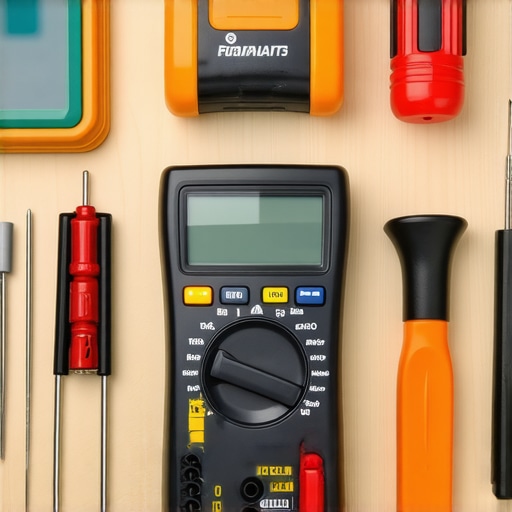
The Hardest Lesson I Learned About Diagnostics, Parts, and Oven Repair
Early in my repair journey, I believed that a squealing oven was always due to a worn fan motor. It wasn’t until I replaced what I thought was the culprit—only to discover the noise persisted—that I realized the importance of thorough diagnostics. Now, I always test before I replace, understanding that assumptions can lead to unnecessary costs and frustration. This lesson shaped my approach and can save you time and money.
3 Myths About Oven Noise and Repair That Held Me Back
First, I used to think all noises meant immediate replacement. Second, I believed erratic heating was due to heating elements alone, ignoring other potential causes like faulty sensors. Lastly, I thought professional repair was always necessary, overlooking how effective diagnostic tools and reliable parts can empower a skilled DIYer. Busting these myths opens up more manageable, cost-effective repair pathways.
What Experts Won’t Tell You About Diagnosing and Fixing Your Oven
Many seasoned repair professionals know the value of building a step-by-step diagnostic routine. They understand that quick fixes often miss underlying issues. Incorporating precise tools such as multimeters and infrared thermometers, and focusing on test-based diagnostics, provides clarity and prevents unnecessary part swaps. Learning these insider secrets has transformed my repair results and can do the same for you.
My Essential Toolkit for Oven and Dishwasher Repair
Trustworthy diagnostic tools like the multimeter and infrared thermometer are indispensable. They provide the accuracy needed to identify faulty components quickly. Additionally, a quality set of screwdrivers, wire labels, and a repair manual tailored to your appliance model streamline the entire process. These tools are the foundation of confident, successful repairs.
Where to Go from Here
Empowering yourself with knowledge and quality tools paves the way for confident DIY repairs. Review comprehensive guides, like the ultimate diagnostic resource, and keep your parts supply well-stocked with trusted sources. Regular maintenance routines, informed by accurate diagnostics, prolong appliance life and eliminate unnecessary stress. The journey to a quieter kitchen starts with taking that first informed step—are you ready to dive in?
Your Turn to Take Action
Have you ever struggled to diagnose an oven noise or other appliance issue? What was your biggest breakthrough or hesitance? Share your experiences below—I’d love to hear your story and help troubleshoot further.