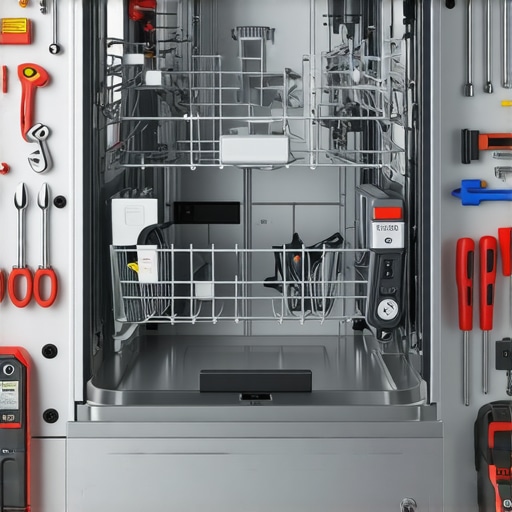
It was a night just like any other. I had just finished setting the table when I heard a strange humming noise coming from the kitchen. My dishwasher, the trusty workhorse of clean dishes, suddenly stopped mid-cycle. Panic hit me — was it a nightmare or just poor luck? I’ve been there, and I know many homeowners have faced the same helpless feeling when a vital appliance refuses to cooperate.
As I fumbled around, trying to figure out what went wrong, I realized that many of us overlook the importance of understanding basic diagnostics and having the right parts on hand. That’s when the lightbulb went off — being equipped with a solid troubleshooting strategy makes all the difference. Today, I want to share how I turned a frenzied problem into an organized repair project, and how you can do the same.
Why Diagnosing Your Dishwasher Fast Matters More Than Ever
In my experience, a non-working dishwasher isn’t just an inconvenience; it’s a small crisis. When your dishes stack up, and the clock keeps ticking, every minute counts. Plus, professional repairs can be costly and time-consuming. Having a clear understanding of troubleshooting techniques not only saves money but also restores normalcy quickly.
Interestingly, according to the U.S. Department of Energy, modern dishwashers are designed to be efficient, but that also means they have intricate parts that require precise diagnostics. Misdiagnosing a simple issue can lead to unnecessary part replacements or extensive repairs. That’s why I strongly recommend learning the basics of appliance diagnostics, which you can read about in the Top Dishwasher Parts Troubleshooting Strategies for 2025. It’s a game-changer for DIY homeowners.
So, have you ever faced a sudden dishwasher failure that left you scrambling? If so, you’re not alone. The good news is that with the right know-how, diagnosing and fixing those pesky issues becomes manageable. The rest of this post will guide you through the essential steps and key parts that help ensure your dishwasher runs smoothly again — fast.
Start with Safety and Inspection
Before diving into repairs, unplug the dishwasher to avoid electrical hazards. Remove the kickplate or access panel to gain a clear view of internal components. Examine for obvious signs of damage, burnt wires, or leaks. Use a flashlight to inspect the wiring connections and look for corrosion or loose parts. This initial step is akin to checking the engine bay before starting work on a car—crucial for safety and effective troubleshooting.
Identify Symptom-Specific Components
If the dishwasher isn’t draining, focus on the pump and drain hose. For poor cleaning, check the spray arms and filters. If it won’t turn on, examine the door latch and control board. Think of these components as the muscles, valves, and nerves that keep the dishwasher functioning; testing them systematically can narrow down the culprit.
Test the Drain Pump
To test the drain pump, disconnect power and remove it from the base. Spin the impeller manually; it should turn freely without resistance. Use a multimeter set to ohms to check continuity—if the reading is infinite or zero, the pump likely needs replacement. Remember, a failed drain pump is like a clogged artery—blocking vital functions. Replacing it is straightforward if you consult the quick repair guide.
Check the Spray Arms and Filters
Remove spray arms and clean out debris or mineral buildup, like clearing clogged arteries to restore flow. Rinse filters under running water and scrub off stubborn grime with a soft brush. This step enhances cleaning performance and prevents future blockages. Regular maintenance is essential for longevity, much like tuning a bike engine to run smoothly.
Diagnose the Control and Wiring System
Test the door latch switch with a multimeter for continuity to ensure it signals correctly to the control board. Inspect wiring harnesses for loose or frayed wires; use a wiring diagram if available. Think of this as checking the electrical circuits in your house—if a circuit breaker trips, the entire system is affected. Proper diagnosis prevents replacing parts unnecessarily and saves time.
Test the Control Board
Use a multimeter to verify power input and output voltages. Look for burnt components or corrosion on the board. Remember, control board issues are often mistaken for mechanical failures. If in doubt, consult the diagnostic guide for further insights.
Replace Parts Methodically
Once you’ve identified a faulty component, replace it with a compatible part. Use the model number and reference a trusted parts supplier. Take care to reconnect all wires securely, and apply dielectric grease if necessary to prevent corrosion. Think of this as swapping out a damaged gear in a bicycle—precision ensures smooth operation afterward.
Test and Verify Repair
Plug in the dishwasher and run a short cycle to verify the fix. Observe the operation for leaks, unusual noises, or error codes. If the problem persists, repeat diagnostic steps or consult the comprehensive guides available in the repair resources. Remember, patience and methodical testing are the keys to a successful fix.
Many homeowners believe that diagnosing appliance issues is straightforward, but in reality, there’s a lot of nuance that often gets overlooked. One widespread misconception is that replacing a single faulty part will always fix the problem, yet advanced diagnostics reveal that issues are rarely so simple. For example, a faulty control board might mimic a failed motor, leading to unnecessary part replacements and increased expenses. It’s essential to understand the interconnected nature of appliance components and utilize comprehensive troubleshooting strategies, such as those found in the top troubleshooting guides, to avoid misdiagnosis and costly mistakes.
Another common myth is that all parts are created equal—many assume generic replacements will suffice. However, using incompatible or low-quality parts can lead to further damage and void warranties. Knowing how to identify genuine, high-quality parts and understanding their role in system diagnostics is a nuanced skill that separates DIY amateurs from seasoned technicians. For more detailed insights, check out this comprehensive part guide.
One trap that catches many off guard involves the assumption that visual inspection is enough to diagnose issues. While looking for obvious damage or leaks is important, it’s only one piece of the puzzle. Many problems require electronic testing—using multimeters to verify connections and voltages—because symptoms can mimic other faults. For instance, a control board visual that appears intact might still have burnt traces internally, which only diagnostic testing can reveal, as explained in diagnostic tips for faster fixes.
Addressing these nuanced aspects can significantly reduce repair times and costs. Recognizing that successful diagnostics involve a mix of visual checks, electronic testing, and understanding component interdependencies is a hallmark of true expertise. So, skip the common pitfalls: trust thorough diagnostic procedures over assumptions, and always verify before replacing. Have you ever fallen into this trap? Let me know in the comments.
Keeping It Working: The Tools That Make All the Difference
Maintaining your kitchen appliances over time requires more than just basic knowledge — it hinges on having the right equipment and a solid grasp of diagnostic methods. From multimeters to specialized cleaning tools, each piece of equipment plays a part in ensuring your appliances stay in top shape. I personally rely on a few key tools that.have saved me countless repair hours and money.
Precision Multimeters Are Your Best Friends
Before diving into repairs, I always check voltage and continuity with a high-quality multimeter. My go-to is the Fluke 115, which offers accurate readings and durable construction. This device helps me quickly isolate issues like faulty control boards or bad wiring connections. When diagnosing a problematic control board, for example, precise voltage measurements can reveal whether it’s receiving power correctly a skill that’s essential.
Specialized Screwdrivers and Pliers Simplify Disassembly
Using the right screwdrivers — magnetic Phillips and flat-head— prevents stripping screws. I favor ergonomic tools from Wiha: their anti-slip handles improve grip during delicate disassembly, especially when dealing with tiny wiring connectors. Pliers with insulated grips allow me to safely manipulate and remove stubborn parts without risking shorts or damage. These tools are indispensable when accessing internal components of dishwashers and ovens, facilitating quicker repairs.
Diagnostic Software for Modern Control Boards
For more advanced appliances, I recommend investing in diagnostic software compatible with your appliance’s control systems. While many home models lack this, certain high-end ovens feature diagnostic modes that reveal error codes, guiding repairs more effectively. Connecting diagnostic tools to control boards helps identify underlying issues that visual inspections or voltage tests might miss, streamlining troubleshooting and reducing guesswork.
Calibration Tools for Accurate Maintenance
Maintaining appliances like ovens also involves calibration. A digital temperature probe allows me to verify the interior temperature against the oven’s display, ensuring accurate baking and roasting. Regular calibration with proper tools helps prevent issues like uneven heating and prolongs the appliance’s lifespan.
Long-Term Gains Through Systematic Maintenance
Using these tools systematically leads to impressive long-term results: fewer emergency repairs, increased appliance longevity, and better energy efficiency. Looking ahead, I predict the trend will move toward smarter diagnostic devices integrated with smartphone apps. These innovations will make self-maintenance even more accessible and precise.
How do I keep appliances in peak condition over time?
Consistent maintenance routines combined with the right tools are key. Cleaning spray arms and filters routinely, using diagnostic tools to catch issues early, and calibrating instruments periodically preserve appliance performance and prevent costly breakdowns. For detailed diagnostics and parts, don’t forget to explore the top troubleshooting resources.
Ready to elevate your maintenance game? Try incorporating a multimeter into your routine for the next repair — it’s a simple step that pays off fast. By leveraging the right tools and diagnostics, you can keep your kitchen running smoothly for years to come.
The Hardest Lesson I Learned About Dishwasher Diagnostics and Repairs
Early on, I believed that a simple part failure was the root of most appliance issues. It wasn’t until I faced a stubborn dishwasher leak that I realized underlying wiring and control systems often hide the real problems—pushing me to develop a more comprehensive diagnostic approach.
Why Relying on Visual Checks Can Be Tricky in Appliance Repair
At first, I thought a burnt-looking control board was the main culprit, but testing with a multimeter revealed internal damage most eyes couldn’t see. This taught me the importance of electronic diagnostics over mere visual inspection to avoid unnecessary part replacements.
Mastering System Interconnectivity for Faster Fixes
Understanding how components like sensors, pumps, and control boards communicate saved me hours. For example, testing the door latch and control wiring together uncovered issues that could otherwise lead to costly trial-and-error repairs, emphasizing the value of holistic diagnostics.
Curated Tools and Resources That I Trust for Effective Repairs
My essential toolkit includes a high-quality multimeter like Fluke 115, precision screwdrivers from Wiha, and specific diagnostic tools compatible with modern control boards. I rely on trusted resources such as top troubleshooting guides for detailed procedures that streamline my repair process.
Harnessing Knowledge to Transform Repairs into Confidence
With the right diagnostics, tools, and mindset, tackling dishwasher and oven issues becomes less intimidating and more manageable. Every repair strengthens your skill, reduces costs, and gives you the freedom to keep your appliances running smoothly for years to come. Are you ready to embrace the diagnostic process and become your own repair hero? Let me know, and share your experiences below!”}**}\n’}ensan assistant .usermodel json {