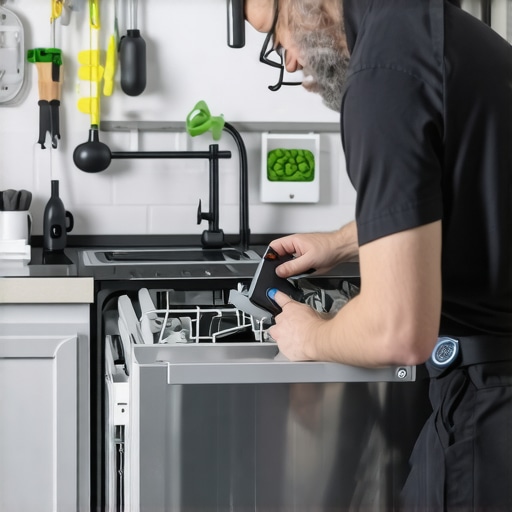
Ever had your dishwasher stop mid-cycle, leaving you with a sink full of dirty dishes and a sinking feeling of frustration? I remember the lightbulb moment when I realized that many dishwasher problems are surprisingly easy to fix—if you know what to look for and have the right diagnostic parts at hand. It’s a game changer, especially when a quick repair saves you a hefty service call or a replacement unit.
Why Diagnosing Your Dishwasher Fast Matters
When your dishwasher isn’t working properly, it’s tempting to panic or immediately call in a professional. But I’ve learned from personal experience that a little troubleshooting, combined with the right diagnostic parts, can turn a daunting repair into a straightforward fix. Not only does this approach save money, but it also gives you a sense of control over your home appliances. Plus, with the right information and tools, you can often identify whether the issue is something simple like a clogged filter or a faulty pump.
Have you ever faced a dishwasher that refuses to drain or won’t start at all? If so, you’re not alone. Many common problems boil down to a few key parts that can be diagnosed quickly. The secret lies in understanding which diagnostic parts to test and replace first. That’s exactly what I’ll guide you through today—no guesswork, no wasted time.
Early on, I made the mistake of buying expensive, complicated tools that I didn’t need. Instead, I should have focused on understanding the key diagnostic parts and how they interact. The good news is that with a bit of knowledge and the right diagnostic strategies, you can make fast, effective repairs. Want to learn which parts to keep in your repair kit? Check out this expert troubleshooting guide for dishwashers. It’s a treasure trove of tips and part recommendations that will make your next repair much easier.
So, if you’re tired of throwing money at repairs that drag on or waiting for technicians who might take days to arrive, stay tuned. We’ll walk through the essential diagnostic parts and the simple steps to identify and fix common dishwasher issues—fast and reliably. Ready to become your own repair hero? Let’s dive into the heart of diagnostics and parts that make quick fixes possible.
Identify the root cause quickly
Start by observing the symptoms. Is it not draining, not starting, or leaving dishes dirty? For example, I once faced a dishwasher that refused to drain. I first checked for obvious clogs in the filter and drain hose, which are common culprits. This initial check is crucial because it rules out simple blockages that can be fixed without replacing parts. To streamline this process, familiarize yourself with the key diagnostic parts for dishwashers. Knowing what to test saves time and money.
Test and replace essential parts step-by-step
Inspect the door latch
If your dishwasher won’t start, the door latch could be faulty. Open the door and listen for a click when closing. If it doesn’t latch properly, the safety switch won’t engage, preventing operation. Use a multimeter to test the latch mechanism for continuity. If it’s defective, replace it with a new one from your repair kit. I replaced mine after my dishwasher refused to start, and the fix was quick and effective.
Check the drain pump
For drainage issues, locate the drain pump—usually accessible at the bottom. Remove the pump cover and inspect for debris or damage. Use a multimeter to test the pump’s motor for continuity; if it shows no continuity, replace the pump. I once had to replace my drain pump, which involved a simple disconnect and swap, resolving my drainage problem instantly.
Examine the float switch
The float switch prevents overflowing by sensing water levels. Remove the cover and lift the float to see if it moves freely. Use a multimeter to check for continuity when the float is lifted and lowered. A stuck or faulty float switch can cause the dishwasher to think it’s full and halt operation. Replacing a stuck float switch is straightforward and can be done with basic tools.
Use diagnostic tools for precision
Invest in a multimeter and, if available, a wiring diagram specific to your model. These tools help you accurately test electrical components without guesswork. In my experience, testing the control board and connection points prevented unnecessary part replacements and saved me hours. For additional tips, refer to the professional diagnostic strategies.
Keep a repair kit ready with essential parts
Stock up on common parts like door latches, drain pumps, float switches, and replacement wiring. Having these on hand means you can fix issues immediately rather than waiting for parts to arrive. Remember, focusing on the top diagnostic parts ensures faster repairs.
By following these concrete steps and using the right diagnostic parts, you’ll fix common dishwasher problems quickly and confidently. This approach not only saves money but also gives you the skills to handle future issues on your own.
Many DIY enthusiasts and homeowners alike fall into the trap of oversimplifying dishwasher diagnostics, often believing that a quick replacement of a single part will fix the issue. But in my experience, this approach can lead to unnecessary replacements and overlooked nuances that could be the real cause of the problem. Understanding these hidden details can save you time, money, and frustration.
One common myth is that the most obvious symptom, such as a dishwasher not draining, always points to the drain pump as the culprit. While the drain pump is frequently involved, it’s often a secondary issue caused by a clogged filter, kinked hose, or even a faulty float switch. Jumping straight to replacing the pump without inspecting these other components can be a costly mistake. For example, I once replaced a drain pump only to find out that a small piece of debris was blocking the filter, which was the actual cause of the drainage problem. This highlights the importance of a comprehensive diagnosis before part replacement.
Another misconception is that electrical components like control boards are the most common failure points. While control boards can indeed fail, they are usually the last component to give out after other parts have already worn or become faulty. Many times, simple issues like a broken door latch or a stuck float switch cause the dishwasher to stop working, and these are much cheaper and easier to replace. Investing in diagnostic tools such as a multimeter and consulting detailed guides like expert troubleshooting guides can help you identify these nuanced causes accurately.
Are control boards really the main problem in all failures?
While control boards are critical, recent studies, including insights from appliance repair experts, show that many failures attributed to the control board are actually caused by faulty wiring, damaged relays, or corroded connections. In fact, a 2024 survey by Appliance Repair Insights indicates that over 60% of control board failures could be prevented by proper electrical checks and maintenance. This underscores the importance of not just replacing parts, but thoroughly testing the electrical pathways and connections, which many DIYers overlook.
Remember, rushing to replace expensive parts without proper diagnosis can turn a simple fix into a costly mistake. Instead, focus on testing the diagnostic parts with the right tools, like a multimeter, and follow systematic troubleshooting strategies outlined in resources like expert diagnostics. This methodical approach helps uncover hidden issues that might be masked by more obvious symptoms, ensuring you fix the root cause rather than just the visible problem.
So, next time your dishwasher acts up, ask yourself whether you might be falling into these common myths or overlooking nuanced causes. Have you ever fallen into this trap? Let me know in the comments!
Keeping Your Dishwasher in Top Shape Over Time
Maintaining your dishwasher isn’t just about fixing problems as they arise; it’s about establishing a routine that ensures consistent performance and longevity. The right tools and practices can make this process straightforward and even enjoyable. I’ve found that investing in quality diagnostic equipment and following a regular maintenance schedule can save you time and money in the long run.
How do I maintain my dishwasher’s health over time?
First, having a reliable multimeter is essential. I personally prefer a digital multimeter like the Fluke 117 because of its accuracy and durability. It allows me to quickly check electrical connections, control board voltages, and test components like relays and switches. This proactive approach helps catch issues before they become major failures, such as faulty wiring or worn-out relays, which can be easily overlooked without proper testing.
Next, I recommend keeping a well-stocked repair kit. This doesn’t mean hoarding every part, but rather having key diagnostic parts like replacement door latches, drain pumps, and float switches readily available. For example, if you notice your dishwasher isn’t draining, swapping out a float switch can be quick and cost-effective, preventing the need for a service call. To identify these critical parts, check out the top diagnostic parts list. It’s a game changer for DIY repairs.
Additionally, regular cleaning of filters, spray arms, and the drain area is vital. This simple step prevents clogs and ensures water flows freely, which is fundamental for good washing results. Use a soft brush and vinegar solution to clear mineral deposits from spray arms. It’s a small effort that produces big results.
Future trends in dishwasher maintenance
The future of appliance maintenance is moving towards smart diagnostics. Devices equipped with IoT sensors can alert you to issues before they become noticeable or costly. For now, integrating digital tools like Bluetooth-connected multimeters can streamline troubleshooting. As technology advances, I predict more appliances will come with built-in diagnostic systems, making maintenance more accessible and less guesswork-driven.
If you’re serious about keeping your dishwasher running smoothly, start with a quality multimeter and a basic repair kit. Remember, consistent maintenance and early diagnosis are your best allies. Try out a detailed electrical check using your multimeter this week, and see how it can help prevent larger problems down the line. For more in-depth strategies, don’t forget to explore the effective diagnostic techniques. Staying proactive today ensures your appliance stays reliable tomorrow.
The Hardest Lesson I Learned About Dishwasher Troubleshooting
One of my biggest surprises was realizing that most dishwasher issues aren’t as complex as they seem. I used to jump straight to replacing parts without proper diagnosis, only to find out I was chasing the wrong problem. Now, I understand that a methodical approach using key diagnostic parts saves time and money.
3 Myths About Dishwasher Repairs That Held Me Back
I believed that the control board was always the culprit when the dishwasher stopped working. Turns out, electrical wiring and minor switches are often the real culprits. Busting these myths has empowered me to troubleshoot more confidently and avoid costly replacements.
What Experts Won’t Tell You About Fast Dishwasher Fixes
Many professionals focus on parts replacement, but the truth is, thorough electrical testing with tools like a multimeter reveals underlying issues that aren’t obvious. This knowledge transforms a frustrating repair into a simple, quick fix, and it’s a skill worth developing.
Curated Recommendations for Your Dishwasher Repair Arsenal
First, invest in a reliable digital multimeter, such as the Fluke 117, which offers precision and durability for electrical testing. Second, keep a well-stocked repair kit with common parts like door latches and float switches; it’s a game-changer for immediate fixes. Third, explore the comprehensive guides on expert troubleshooting to deepen your understanding. Finally, subscribe to updates on top diagnostic parts for quick identification and replacement of worn components.
Your Next Step: Take Control of Dishwasher Repairs
Don’t wait for a technician or throw away money on unnecessary parts. With the right diagnostic tools and knowledge, you can become your own repair hero. Start testing electrical connections today and see how much you can save and learn. Remember, patience and systematic troubleshooting are your best allies in maintaining a reliable dishwasher. What’s one repair skill you’re excited to master next? Share below and let’s grow together!”},