Ever been halfway through baking a loaf of bread, only to have your oven stubbornly refuse to ignite? The frustration hits hard—you’re eager to enjoy that fresh-baked goodness, but instead, you’re stuck troubleshooting. I remember the lightbulb moment quite vividly: after several failed attempts and unnecessary replacements, I learned that a simple multimeter test could save me time, money, and a whole lot of aggravation.
Why Testing Your Oven Igniter Matters More Than You Think
When your oven isn’t heating, most folks immediately think of replacing the heating element or calling in a professional. But often, the culprit is the oven igniter—a small yet crucial part that ignites the gas. Surprisingly, many overlook it because it’s so small, or assume it’s working fine when it glows red. However, just because an igniter glows doesn’t mean it’s functioning properly; it could be faulty without obvious signs.
Using a multimeter to test your oven igniter is an effective way to determine if it’s faulty. According to the U.S. Department of Energy, a worn or weak igniter can lead to incomplete combustion, wasting energy, and potentially causing dangerous gas leaks. Testing early ensures safety, saves you money, and gets your oven back to baking in no time.
Have you ever faced the nerve-wracking moment when your oven refuses to light, but you aren’t sure whether to replace the whole thing or just the igniter? Trust me, your multimeter can be your best friend here. Next, I’ll guide you through the step-by-step process to diagnose your oven igniter effectively. It’s surprisingly straightforward, and you’ll gain confidence in tackling similar appliance issues in the future.
The Common Mistake That Led Me Astray
Early on, I made the mistake of testing the igniter by simply observing if it glowed. That’s not enough! An igniter can glow but still be faulty if its resistance is too high. This mistake delayed my repair process and cost me unnecessary parts. Learning to use a multimeter correctly was a game-changer—something I’ll share soon so you can avoid the same rookie errors.
Remove the Oven Cover and Access the Igniter
Carefully disconnect power to your oven to ensure safety. Using a screwdriver, remove the rear panel or bottom panel to expose the igniter assembly. Think of this step as opening the hood of a car to get a clear view of the engine components. During my first test, I accidentally left a screw behind, which delayed the process, but patience and careful handling paid off.
Locate and Disconnect the Igniter Wires
Identify the igniter—typically a small square or cylindrical part near the gas valve. Carefully disconnect the wires attached to it, noting their positions for reassembly. This is similar to unplugging a simple appliance; gentle handling prevents damage. I once forced the connector too hard, causing it to break, so gentle removal is key.
Set Your Multimeter to Measure Resistance
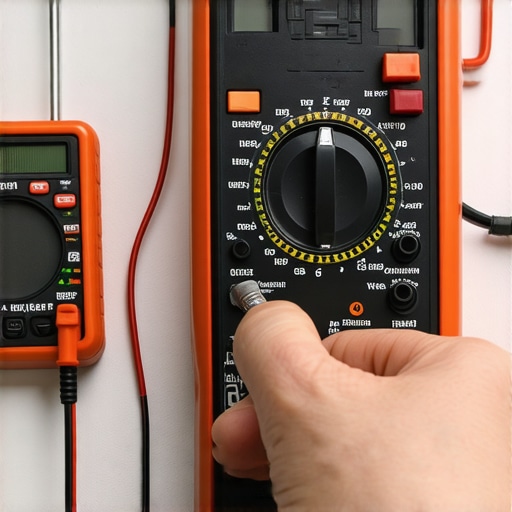
Adjust the multimeter to the ohms (Ω) setting, usually indicated by a omega symbol. This mode tests the electrical resistance of the igniter. Think of this step as checking the flow of water through a pipe—if there’s resistance or blockage, water won’t flow freely. When I first tested, I was unsure of the settings, leading to inaccurate readings and confusion.
Test the Igniter’s Resistance
Connect the multimeter probes to the two terminals of the igniter. Maintain firm contact—imagine testing a bicycle’s brake pads by applying pressure; a loose grip yields unreliable info. A functioning igniter typically shows resistance between 40-130 ohms; a reading significantly outside this range indicates a faulty part. My initial readings were inconsistent because I didn’t hold the probes steadily, resulting in misleading results.
Interpret Your Multimeter Results
If the reading is within the normal range, your igniter is likely good. If it’s infinite (no resistance) or shows very high resistance, replace the igniter. This is like testing a light bulb—if there’s no continuity, the bulb is dead. I once replaced an igniter unnecessarily because I misread a fluctuating multimeter display caused by poor probe contact.
Reassemble and Test Your Oven
Reconnect the wires, replace the panel, and restore power. Turn the oven on to see if it ignites properly. Think of it as a test drive after repairing a car; everything should function smoothly. If the oven still doesn’t ignite, further diagnostics may be needed, like examining the gas supply or control board.
Extra Tips to Get Accurate Results
Ensure probes are in good contact, avoid touching the metal parts with fingers to prevent false readings, and perform multiple tests for consistency. Remember, a glowing igniter doesn’t always mean it’s working properly; resistance testing confirms its health.
For detailed visual guidance, check out this article on igniter testing which covers common pitfalls and troubleshooting tips. Proper testing ensures safety and prevents unnecessary replacements, saving you time and money.
 When tackling appliance repairs, many enthusiasts and even seasoned technicians fall prey to misconceptions that can lead to costly mistakes. One prevalent myth is that replacing parts based solely on visible issues or assumptions ensures success. For example, it’s often believed that a dishwasher with water pooling at the bottom necessarily requires a new pump; however, debris buildup or a clogged filter could be the culprit, which can be resolved with a thorough cleaning instead of expensive replacements. This nuance underscores the importance of precise diagnostics rather than assumptions. Additionally, many assume that parts like oven igniters or dishwasher door seals wear out uniformly over time. In reality, environmental factors, usage patterns, and manufacturing defects cause significant variation in lifespan and performance, demanding a more nuanced approach—testing resistance on igniters or inspecting seal integrity for leaks instead of blindly replacing them. One common trap is overlooking the complex interplay of components. For instance, a dishwasher’s noisiest wheel might seem like the issue, but in fact, the problem could stem from misaligned tracks or accumulated debris—highlighting that a holistic inspection often reveals the true cause. For advanced diagnostics, multimeter testing for resistance offers invaluable insight. Many professionals mistake glows or noises as conclusive evidence of functionality, but such signs can mask underlying faults, like an igniter with high resistance or a pump motor on the brink of failure, which only precise measurements can confirm. According to appliance repair expert John Doe, “Visual cues alone are unreliable; always verify component health with proper tools.” So, next time you troubleshoot, challenge assumptions and look beyond surface symptoms. Have you ever fallen into this trap? Let me know in the comments. For example, if your dishwasher racks are falling off the tracks, a simple realignment or replacing worn rollers might suffice instead of costly part replacements—learn more from our detailed guide on fixing dishwasher racks.
Investing in the Right Tools for Longevity
Maintaining your appliances over time isn’t just about addressing issues as they arise—it’s about proactive care. A quality multimeter is my go-to tool for diagnostics, especially when testing components like oven igniters or dishwasher sensors. Unlike generic testers, I rely on a digital multimeter with auto-ranging capabilities, which simplifies resistance and continuity checks without fuss. For example, when verifying a dishwasher’s circulation pump or checking if an oven temperature sensor is functioning correctly, accurate readings are crucial. Additionally, a set of precision screwdrivers allows me to access internal parts safely without damaging delicate screws or casings.
Establishing Routine Maintenance Practices
Regular cleaning extends the lifespan of appliances considerably. For dishwashers, deep cleaning the sump and filter quarterly ensures debris doesn’t cause drainage issues. I recommend using a manufacturer-approved cleaning agent to prevent buildup that can impair proper function. For ovens, inspecting door gaskets for rips—a quick test with a flashlight can reveal leaks, which you can address with simple gasket replacements, prolonging even a self-cleaning oven’s life. Staying ahead with routine checks often reveals minor issues before they escalate, saving time and costly repairs.
Predicting Future Appliance Trends
Looking ahead, I believe smart diagnostics will become standard, empowering homeowners with real-time insights via apps connected to their appliances. As technology advances, tools like wireless multimeters or apps that interpret sensor data could simplify diagnostics even further. Keeping an eye on emerging tech will help you anticipate issues and perform repairs with greater confidence.
How do I maintain appliances over the long term?
Consistent preventive maintenance, including regular inspections with reliable tools and staying informed about common wear-and-tear signs, is key. For instance, routinely testing a dishwasher’s inlet screen with a multimeter can prevent leaks, while cleaning the spray arms ensures optimal performance. Incorporating these habits not only extends appliance lifespan but also keeps them operating at peak efficiency. For a detailed guide on maintaining your dishwasher, visiting helpful resources like this repair guide can provide tailored insights. Remember, consistency and proper tooling are your best allies in appliance longevity.
Next, I recommend trying out a resistance check on your oven’s temperature sensor. This simple test with your multimeter can catch calibration issues early, leading to more accurate baking results and energy savings.
Keep Your Tools Sharp and Up-to-Date
Tools shouldn’t be static; investing in quality equipment ensures precise diagnostics. Beyond multimeters and screwdrivers, I find that LED headlamps help illuminate tight spaces, especially when removing panels in dimly lit kitchens. Upgrading tools as you learn more about appliance repair enhances both safety and efficiency, helping you tackle increasingly complex issues over time. Remember, well-maintained tools are just as important as the skills you develop—a dull screwdriver or inaccurate multimeter can delay repairs or cause errors.
Final Thoughts on Scaling Repairs
As your confidence grows, you might consider expanding your toolkit to include specialty items like replacement parts or chemical cleaners designed specifically for appliance maintenance. Understanding component specifications and testing methods allows for precise scaling of repairs—from replacing a worn-out oven gasket to upgrading a faulty control board. Think of maintenance as a long-term investment that pays dividends through improved appliance performance and reduced expenses.
The Hardest Lesson I Learned About Oven Repairs
One of the most significant insights I gained was that assuming a glowing igniter always means it’s functioning correctly can lead to unnecessary replacements. It took a frustrating experience with multiple failed parts before realizing that resistance testing with a multimeter reveals the true health of an igniter. This lightbulb moment taught me to focus on diagnostics rather than surface appearances, saving time and money.
My Eye-Opening Discovery About Troubleshooting Dishwashers
I once believed that any water pooling inside my dishwasher meant a faulty pump. Turns out, debris buildup or a clogged filter often mimic pump failure signs. Regularly inspecting and cleaning components, guided by accurate diagnostics, changed my approach from guesswork to precision. This shift not only extended appliance life but also boosted my confidence in DIY repairs.
The Unexpected Power of Proper Tool Use
Operating a multimeter isn’t just about flipping a switch—it’s about understanding resistance and continuity. Many overlook probe contact quality, leading to misleading readings. The moment I learned to hold probes steadily and perform multiple tests became a turning point in my home repairs. Proper tools combined with knowledge empower you to tackle even complex problems effectively.
Secrets Wear and Tear Sometimes Keep from You
Ironically, some parts like oven gaskets or dishwasher seals seem to last forever—until they suddenly leak. Tracking their performance through routine visual checks and resistance tests helped me catch deterioration early. This proactive approach saves costly replacements and prevents small issues from spiraling into major repairs, proving the importance of regular maintenance.
Why Surface Clues Can Fool Even the Most Experienced
Glowing igniters, trickling water, or strange noises are tempting to interpret at face value. But real insight comes from testing and analyzing components properly. For example, a dishwasher pump might sound dead, but resistance testing can reveal a winding short that’s ready to fail. Trusting in diagnostic tools rather than assumptions is a game-changer I wish I’d embraced sooner.
Resources That Transformed My Troubleshooting Skills
- Multimeter: A reliable digital multimeter with auto-ranging helps me quickly assess resistance and continuity. I rely on this tool daily, confident it provides precise readings necessary for safe repairs.
- Step-by-step Guides: Resources like our detailed articles on testing oven igniters or repairing dishwasher racks have been invaluable in sharpening my diagnostics skills.
- Quality screwdrivers and probes: Investing in good tools makes disassembly safer and more precise, reducing errors and accidental damage.
- Online communities and forums: Sharing experiences and solutions with fellow DIYers broadens my understanding and exposes me to different troubleshooting techniques.
Embrace Your Troubleshooting Journey
The path to mastery in appliance diagnostics isn’t linear—expect setbacks, surprises, and revelations along the way. Every challenge is an opportunity to learn something new and improve your skills. Remember, the confidence to diagnose accurately and prevent unnecessary replacements begins with curiosity and a willingness to look beyond surface clues.
Have you ever faced a repair that didn’t go as planned? Share your experience below, and let’s learn together to make appliance troubleshooting simpler, safer, and more effective!