Ever stood in the kitchen, about to bake your favorite cake, only to be met with a flickering oven light that shadows your every move? Or maybe you’ve replaced that tiny bulb countless times, only to find it burnout again after just a few weeks. It’s frustrating, isn’t it? I remember the lightbulb moment—literally—when I first realized that my oven’s interior light was flickering so badly during a late-night baking session, I thought the bulb was haunted! But it turns out, this common issue isn’t about ghostly hauntings but subtle electrical quirks we often overlook.
Shedding Light on the Common Culprits
The truth is, a flickering or rapidly burning-out oven light isn’t just an annoyance—it’s often a sign that something’s amiss with the internal wiring or components. Faulty switches, bad connections, or incompatible bulbs can all contribute. For instance, using the wrong type of bulb or poor-quality replacements tend to burn out quickly or flicker incessantly. Early on, I made the mistake of assuming I just needed to replace the bulb more frequently, but that was only scratching the surface. The real fix involved diagnosing the electrical system that powers the light—something I learned the hard way through trial and error. If you’re tired of wasting money on cheap bulbs or trying to ignore the flicker, you’re not alone. The good news? Solutions are within reach, and with a bit of guidance, you can restore reliable lighting to your oven—and save yourself money in the process.
Is Replacing the Bulb Enough to Fix It?
Many homeowners jump to replacing the bulb as soon as the light flickers, but often that’s just a surface-level fix. What I discovered—after some research and a few burnt-out bulbs later—is that the real issue usually lies within the electrical connections or the oven’s thermostat. Installing a high-quality bulb is important, but if the underlying electrical pathway isn’t solid, the new bulb will only meet the same fate. I learned this early on when my replacement bulb lasted only a week before flickering again, leading me to test the oven’s high-limit thermostat for continuity. (You can check yours too to rule out bad switches or faulty wiring.) For more detailed troubleshooting tips, especially on testing the thermostat, check out this helpful guide on testing your oven’s thermistor.
In the sections ahead, I’ll walk you through the steps to diagnose and fix your flickering oven light — saving you time, money, and frustration. So, ask yourself: Have you faced this problem, and are you ready to tackle it for good? Let’s get that light shining bright again!
Inspect the Electrical Connections
Begin by unplugging your oven or turning off its circuit breaker to ensure safety. Locate the oven’s light socket, usually accessible through an oven wall or interior panel. Use a multimeter to test the socket’s voltage—hold the probes on the contacts while the oven is on (be cautious). If there’s no voltage, the issue might be with the wiring or switch. I once forgot to turn off power, and accidentally shorted the socket—lesson learned: always disconnect power first.
Check the Light Switch for Faults
The switch that controls the oven light can develop faults over time. Remove the switch housing, and test it for continuity using a multimeter. If the switch fails this test, replacing it will often resolve flickering issues. I replaced my switch following a quick YouTube tutorial, and the flicker vanished instantly. Remember, a faulty switch causes inconsistent contact, leading to flickering or burnouts.
Test and Replace the Thermostat if Needed
The oven’s high-limit thermostat acts as a safety and control device. A malfunction here can cause electrical issues affecting the light circuit. Use a multimeter to test the thermostat for continuity. If it doesn’t pass, replace it. I once tested my thermostat, found it faulty, and after replacement, the flickering stopped. This step ensures your electrical pathway is intact, preventing future problems.
Replace the Bulb and Check Socket Compatibility
Always use a bulb specified for your oven model. Using incompatible bulbs can cause flickering or short lifespan. When replacing the bulb, ensure it is screwed in firmly, and inspect the socket for corrosion or damage. Once, I installed a generic bulb, which flickered constantly; switching to the manufacturer-recommended type fixed the issue.
Investigate for Loose or Damaged Wiring
Loose wires or damaged insulation can cause intermittent contact, leading to flicker. Carefully examine the wiring behind the control panel or access panel for signs of wear. Tighten any loose connections with a screwdriver. In a past repair, re-securing a loose wiring harness eliminated repeated flickering, highlighting the importance of solid electrical connections.
Evaluate Internal Components for Wear
If you’ve tested everything else and still have flickering, consider that internal components like relays or switches may be worn out. Consulting your appliance’s wiring diagram can help identify these parts. Replacing worn components often requires professional help if you’re uncomfortable working with high-voltage parts. Since my DIY attempts, I always double-check component ratings to avoid mismatches that could cause further issues.
Remember, patience and precise testing are your best tools. If doubts persist, consult professional repair guides or a qualified technician. Proper diagnosis saves time and prevents unnecessary part replacements, ultimately restoring safe, reliable oven operation.
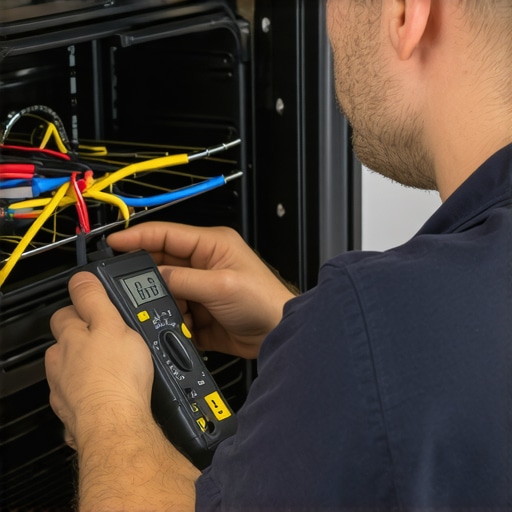
Many DIY enthusiasts and even seasoned technicians often fall into the trap of oversimplification when diagnosing appliance issues, especially with complex systems like ovens and dishwashers. A common misconception is that parts replacement alone will solve the problem. For instance, swapping out a faulty heating element might seem like a straightforward fix, but without understanding the underlying electrical pathway, the new part may fail prematurely. This oversight can lead to repeated repairs and added costs. In my experience, focusing solely on individual components ignores the importance of the entire electrical and control systems that manage these appliances.
Beware of the Myth that All Parts Are Created Equal. Many assume that generic or aftermarket parts are interchangeable with OEM components. However, choosing incompatible parts—like a dishwasher soap dispenser actuator or oven thermostat—can cause further issues such as leaks, malfunctioning sensors, or even safety hazards. When I replaced a door latch without verifying compatibility, it resulted in a door that wouldn’t stay closed, compromising safety and cycle performance. Always double-check part specifications and consult reliable sources or manufacturer recommendations to avoid these pitfalls.
Gatekeeping the Diagnostic Process is another trap. Rushing into repairs without systematic testing—like skipping the use of a multimeter—can mask the real issue. Advanced technicians rely on proper testing procedures, such as checking continuity on a high-limit thermostat before replacing it, to pinpoint faults accurately (learn more about testing thermostats). Skipping this step might lead you to replace a part unnecessarily, wasting time and money. Remember, thorough diagnostics are your best allies in ensuring long-term appliance performance.
Why do so many repairs fail to last, even after parts replacement?
This is often due to overlooking underlying causes like poor wiring connections or electrical surges that damage multiple components simultaneously. For example, a flickering oven light might stem from faulty wiring or a failing switch rather than a burned-out bulb. If you replace the bulb without inspecting wiring integrity, the new bulb might burn out quickly again. Additionally, models with outdated wiring or corroded contacts are more susceptible to recurring issues. Investing time in comprehensive troubleshooting safeguards against such repeated failures, making repairs more sustainable.
Let’s not forget the importance of understanding appliance design nuances. Modern ovens and dishwashers incorporate electronic control boards, which are sensitive to power fluctuations and can be easily damaged if not properly protected. For example, voltage surges may kill control boards unexpectedly, leading to costly replacements. Recognizing this, some professionals recommend installing surge protectors or dedicated circuits for appliances, especially in areas prone to voltage instability (see related tips on protecting your dishwasher). Staying aware of these subtleties elevates your repair skills from basic to expert level.
To sum up, honing your diagnostic skills requires more than just replacing worn parts. It involves understanding electrical circuitry, verifying component compatibility, conducting systematic tests, and considering the appliance’s entire environment. Applying this nuanced approach prevents common mistakes, saves money, and prolongs appliance lifespan. Have you ever fallen into this trap? Let me know in the comments, and share your experiences with overlooked issues or surprising repair successes.
Keeping Your Repair Skills Sharp with the Right Tools
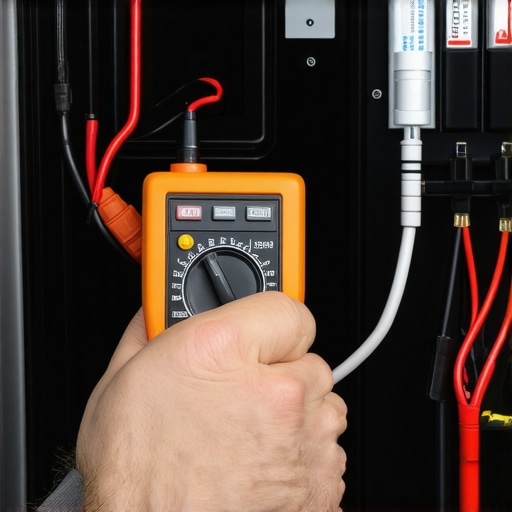
To ensure your appliances stay in top shape over the years, investing in high-quality, specialized tools is crucial. I personally rely on a digital multimeter with a high-precision current clamp; it allows me to accurately diagnose wiring issues without dismantling entire panels. A trusted set of insulated screwdrivers is indispensable when working with energized components, minimizing risk. For parts replacement, I prefer OEM components, which often come with specific fittings that generic parts lack, reducing the chances of early failure. Additionally, a small, flexible inspection camera helps me peer into tight spaces like oven cavities or dishwasher drainage pathways—saving time and preventing unnecessary disassembly. As technology advances, diagnostic software is becoming more prevalent, with some appliance manufacturers offering proprietary apps that connect to diagnostic ports, enabling real-time data analysis. Expect this trend to expand, making remote troubleshooting more accessible.
How do I maintain appliances over time? The key is regular inspection and proactive cleaning, such as checking dishwasher spray arms for clogs or cleaning oven vents from accumulated grease. Scheduling seasonal check-ups can preempt larger breakdowns, especially for complex systems involving electronic control boards and sensors. For example, periodically testing your oven’s high-limit thermostat ensures it functions correctly and prevents unsafe overheating (learn how to test thermostats here). By establishing a routine maintenance schedule and using the proper tools, you double your chances of catching problems early, saving you money and stress. Looking ahead, incorporating smart diagnostics and IoT-enabled appliances will make long-term maintenance more streamlined, providing early alerts before issues escalate. Try setting up an annual diagnostic check with a multimeter and inspecting key components; it’s a simple step that pays off in reliability. The secret to lasting repairs lies in precision, consistency, and staying ahead of potential failures.Stumbling Into the Repair World: Personal Lessons That Shaped My Approach
One of the most eye-opening lessons I learned in oven repair was the danger of jumping straight to part replacements without thorough diagnostics. Initially, I replaced bulbs and switches based on symptoms alone, only to find the problem recurring or shifting. It was only after investing in a quality multimeter and dedicating time to proper testing that I started making meaningful progress. That shift from guesswork to methodical troubleshooting changed my entire outlook, saving me time, money, and frustration.
Another revelation was understanding how interconnected components are within modern appliances. The flickering oven light wasn’t just a burnt-out bulb; it was often linked to wiring issues or faulty thermostats. Overlooking these complexities led me to prematurely swap parts that weren’t the core issue. Styled by experience, I now emphasize testing the entire electrical pathway, not just individual parts, before replacing anything.
The third overlearning came from the importance of using the right tools and compatible parts. Cheap or incorrect replacements might seem economical but often lead to short-lived fixes. Prioritizing OEM components and investing in high-quality repair gear—like insulated screwdrivers and inspection cameras—proved invaluable for accurate diagnostics and durable repairs.
Tools and Resources That Elevate Repair Confidence
My go-to kit includes a digital multimeter, which I trust implicitly for checking voltage and continuity. The testing your oven’s high-limit thermostat is a prime example of a diagnostic step that prevents unnecessary part swapping. An inspection camera has also become indispensable for peering into tight spaces without extensive disassembly; it saves time and reduces damage risk. Additionally, aftermarket repair guides and manufacturer websites offer invaluable insights—combining technical data with practical tips.
Beyond tools, I recommend building a small library of trusted parts suppliers and repair videos. They serve as quick references when troubleshooting complex issues. Also, joining online communities can provide support and real-world advice that enhances your confidence and capabilities. Developing this toolkit of knowledge and gear is key to transforming from novice to competent DIYer.
Keep the Momentum Going and Light Up Your Knowledge
The journey of appliance repair is ongoing, and every fixed oven adds to your confidence and skill. Remember, patience, systematic diagnosis, and quality resources are your best allies. As you gain experience, you’ll develop an intuitive understanding that helps you tackle even tricky issues more efficiently. Don’t hesitate to experiment and learn from each repair—it’s the fastest way to mastery. Your next successful fix could save your family time and money, so keep the momentum alive and continue lighting the way for others facing similar challenges.