Ever opened the dishwasher to find your plastic basket melted beyond recognition? Frustrating, isn’t it? One moment, everything’s running smoothly; the next, you’re staring at a warped, useless basket that holds your dishes awkwardly. I remember the lightbulb moment when I realized I didn’t have to buy a brand-new rack just because a tiny part melted. Instead, I managed to repair it myself — saving time and a pretty penny.
Today, I want to share how I tackled that pesky melted dishwasher basket dilemma and how you can do the same. No fancy tools needed, just a little patience and some know-how. So, if your dishwasher’s plastic components have seen better days, stick around. I promise, there’s a practical fix that can breathe new life into your appliance.
Why Replacing Just the Basket Matters More Than You Think
When my dishwasher’s basket melted, I felt overwhelmed. Buying a whole new rack seemed like the only option initially, but digging deeper, I discovered that replacing entire racks is often expensive and more complicated than necessary. In fact, many dishwasher parts like baskets and wheels are designed to be replaceable, which many folks overlook. Plus, repairing can be a gratifying project, giving you an immediate sense of achievement.
Misconceptions about repairs abound, and I admit I made the mistake early on of assuming a damaged basket was the end of the line for my machine. That’s a common pitfall—thinking that a damaged part means a whole new dishwasher. But with the right approach, you can fix even some of the most seemingly irreparable issues.
From my experience, understanding your appliance’s inner workings can save you a lot of money. For example, if your dishwasher’s spray arms or baskets are melting, sometimes all it takes is a simple replacement of the damaged parts. And if you’re worried about the durability of these repairs, take a glance at what experts say about appliance maintenance—like how routine inspections can extend your appliance’s life and save cash. (You might find this article helpful on understanding dishwasher longevity.)
Now, the big question is—have you ever faced this kind of disaster with your dishwasher? If yes, keep reading. I’ll walk you through the steps to repair that melted basket without breaking the bank. Let’s get started and turn that frustration into a DIY victory.
Remove the Damaged Basket Safely
Start by unplugging your dishwasher and locating the melted basket. Carefully lift it out, supporting it from underneath to prevent further damage. Remember, safety first—avoid cutting yourself on sharp edges or melted plastic fragments. Once removed, place the basket on a sturdy surface.
Assess the Extent of Damage and Gather Supplies
Examine the basket for warping, melting, or broken plastic tabs. For minor warping, you might need a heat gun or hot water to reshape it, but if the plastic is extensively melted or cracked, replacement parts are your best choice. Gather necessary tools like screwdrivers, replacement baskets or repair kits, and protective gloves. If you decide to repair, ensure your workspace is well-ventilated.
Reshape or Repair the Meltdown
If the plastic warps but remains intact, use a heat gun on a low setting or submerge the basket in hot water (~140°F) to make the plastic pliable. Carefully reshape warped areas with pliers or your hands (wear gloves). Take your time—cooling too quickly can cause new cracks. For cracks or broken tabs, consider a strong plastic adhesive suitable for high temperatures or a repair kit designed for dishwasher parts. I once used a plastic welding kit for a similar repair, which held well for months before I replaced the basket entirely.
Replace Damaged Components and Reassemble
If repair isn’t feasible, order a replacement basket online or from an appliance store. Use the model number located on the door frame or inside the dishwasher to ensure compatibility. For small repairs, replacing broken wheels or clips can restore functionality without replacing the entire basket. Before reassembling, verify that all parts are dry and intact to prevent issues later. When reassembling, tighten all screws securely, but avoid overtightening which can crack plastic parts.
Test the Repair and Prevent Future Damage
Plug in the dishwasher and run a short cycle with the empty basket to check for proper operation and fit. Observe for any unusual noises or misalignments. To prevent future melting, keep plastics away from the heating element and use dishwasher-safe plastics in appropriate zones. Regularly cleaning your dishwasher’s filter and spray arms can also prevent residue buildup that accelerates plastic deterioration. If persistent issues occur, consult a professional or check out related fixes, such as [fixing a dishwasher that won’t drain](https://appliancebargainz.com/dishwasher-wont-drain-3-piston-and-nut-assembly-fixes-2026) to ensure overall dishwasher health.
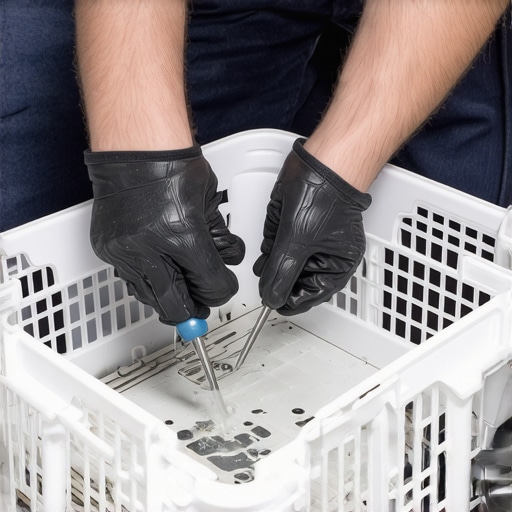 Many homeowners believe that appliance repairs are straightforward: identify the faulty part, replace it, and you’re done. However, as an experienced repair enthusiast, I can tell you there’s much more beneath the surface. A common myth is that parts like heating elements or control boards are always the culprit; in reality, issues often stem from overlooked factors like wiring harnesses or operational timing. For instance, replacing a broken oven heating element without inspecting the wiring harness can lead to recurring failures, since the harness may have internal corrosion or loose connections—something I’ve seen firsthand from examining numerous appliances.
Another misconception is that every malfunction is obvious, but subtle signs like a high-pitched noise from the oven or lingering odors in the dishwasher hint at deeper, hidden issues. For example, a high-pitched whine might seem minor, but it often indicates worn motor bearings or failing fans that, if ignored, could cause overheating or component failure. Experts recommend inspecting these elements with a multimeter or visual check—see how testing the oven’s high-limit thermostat can reveal if it’s causing uneven heating.
Be cautious of the trap many fall into: assuming that all parts are easily accessible. Sometimes, you need to remove complex panels or disconnect critical wiring. An advanced mistake is neglecting to verify the connectors’ integrity when replacing parts. A loose or corroded connector can cause intermittent problems, like your dishwasher not draining properly. For example, replacing a damaged dishwasher wire harness [is crucial](https://appliancebargainz.com/replacing-a-damaged-oven-wire-harness) before assuming the new parts will solve the issue.
From my experience, diagnostics go beyond simple visual assessments; understanding the appliance’s electronic control logic helps identify root causes. Using a multimeter or reading error codes can save you from costly trial-and-error fixes. Did you know that a faulty thermal fuse can be hidden behind the oven’s insulation, requiring partial disassembly for proper testing? Moreover, many overlook checking for software glitches in modern appliances—sometimes, a simple reset or firmware update can fix stubborn problems.
What’s more, misdiagnosing parts can lead to unnecessary expenses. To avoid this, I recommend developing a systematic diagnostic approach—start with visual and audible cues, then proceed to electrical tests, and finally, consider component replacements. This methodical process is why I often suggest testing specific sensors or relays, such as the oven temperature sensor or the dishwasher’s pump relay, which are commonly overlooked but critical for operation.
Remember, appliance repair is a puzzle where every piece matters. By digging into these nuances—wiring, diagnostics, subtle signs—you’ll become more adept at accurate fixes and avoid costly mistakes. Have you ever fallen into this trap? Let me know in the comments. Also, consider reading about [inspecting your oven’s convection fan for bearings and blade damage](https://appliancebargainz.com/how-to-inspect-your-ovens-convection-fan-for-bearings-and-blade-damage) to deepen your repair skills.
Essential Tools for Long-Term Appliance Maintenance
Keeping your appliances in top shape requires the right equipment. I personally rely on a high-quality digital multimeter, like the Fluke 117, for accurate diagnostics of heating elements, sensors, and wiring issues. Its durability and precision make it worth the investment, and I use it regularly to check continuity or test resistance when troubleshooting components like oven thermistors or dishwasher thermostats.
Alongside a multimeter, a set of precision screwdrivers is indispensable. I prefer magnetic-tip bits designed specifically for appliance repair—this prevents stripped screws and makes disassembly smoother. For plastic parts, a heat gun with adjustable temperature settings allows me to reshape warped baskets or plastic housings without causing further damage. It’s surprising how much reshaping can be achieved with a careful application of heat, often delaying costly replacements.
Software and Diagnostic Aids
Modern appliances benefit from diagnostic tools like appliance-specific code readers or apps that can interpret control panel error codes. While many DIYers overlook this, it’s incredibly efficient. For example, some dishwashers display fault codes that directly point to issues with the drain pump or sensors, saving you hours of guesswork. I’ve found that an inexpensive OBD2 scanner, often used for vehicles, alongside specialized codes, can sometimes assist with appliance diagnostics if the appliance has Wi-Fi connectivity.
Maintaining Your Appliances for the Long Run
Regular cleaning and inspections are crucial. For dishwashers, routinely cleaning spray arms and filters, as discussed [here](https://appliancebargainz.com/why-your-dishwasher-still-stinks-after-cleaning-the-filter), prevents build-up that can damage internal parts. Similarly, inspecting oven wiring harnesses periodically can prevent failures that are costly to repair; see [this guide](https://appliancebargainz.com/replacing-a-damaged-oven-wire-harness) for detailed steps. Additionally, keeping a record of repair dates and part replacements helps you plan preventative maintenance and anticipate component wear.
How do I maintain appliance parts over time?
Maintaining parts involves more than just cleaning. It’s crucial to check connections periodically for corrosion and tighten loose screws or clips. For items like oven thermocouples or dishwasher float switches, testing their functionality with your multimeter every year can catch impending failure before more serious issues develop. Moreover, applying a thin layer of dielectric grease on electrical contacts can prevent corrosion, extending their lifespan and ensuring reliable operation.
The future of appliance maintenance might incorporate smart diagnostics, where sensors monitor component health and alert homeowners before failure. Embracing tools like remote diagnostic apps will likely become standard, reducing downtime and repair costs. Until then, developing your manual troubleshooting skills with a good multimeter and a steady maintenance routine remains invaluable.
Try using your multimeter to test your oven’s high-limit thermostat periodically; this simple step can prevent uneven heating and save you from future oven repairs. With the right tools and proactive care, you’ll keep your appliances humming for years to come.
Lessons the Hard Way You Won’t Find in Manuals
My biggest takeaway from repairing appliances is that visuals and tactile checks often reveal more than digital diagnostics. Trust your senses—smell, sound, and sight—because they can uncover hidden issues like wiring corrosion or subtle cracks before a failure occurs. Remember, patience during reshaping or testing saves not just money but frustration too.
Another lightbulb moment was realizing that replacing parts without understanding their role can lead to recurring problems. For instance, swapping out a faulty thermal fuse without checking the control thermostat might just be a temporary fix. Dive into the appliance’s manual or trustworthy online guides to grasp how components work together.
Yet, the toughest lesson came from ignoring routine maintenance. Regular inspections of wiring connections or cleaning critical filters like in dishwashers can extend lifespan exponentially. Avoid the trap of neglect, and you’ll find a massive difference in performance and repair costs.
Tools and Resources That Changed My Approach
My essential toolkit includes a durable multimeter like the Fluke 117, which provides accurate readings crucial for diagnosing heating elements and sensors—trust me, it’s a game changer. A quality set of magnetic screwdrivers makes disassembly less frustrating, especially with tight or hidden screws.
For comprehensive insights, books such as “Appliance Repair for Dummies” cleared up many misconceptions I held. Online resources from [Appliance Bargainz](https://appliancebargainz.com/) are invaluable for step-by-step guides and troubleshooting tips tailored to specific models. Additionally, diagnostic code readers compatible with Wi-Fi-enabled appliances have allowed me to identify issues swiftly without guesswork.
Furthermore, keeping a repair journal documenting parts replaced and symptoms observed has helped me anticipate potential failures. Combining practical tools with quality information accelerates learning and empowers you to tackle more complex repairs confidently.
Your Next Step in Appliance Confidence
Every repair you undertake builds skill and confidence, turning frustration into mastery. With the right tools and a curious mind, fixing your oven or dishwasher becomes an empowering experience. Don’t shy away from challenges—embrace them as opportunities to learn and save money.
Have you ever hesitated before attempting an appliance repair? Share your experiences below—I’d love to hear your stories and tips! And if you’re eager to expand your skills, check out our guide on [testing your oven’s high-limit thermostat with a multimeter](https://appliancebargainz.com/testing-your-oven-high-limit-thermostat-for-continuity). Keep learning, stay patient, and happy fixing!