Ever opened your dishwasher only to be greeted by that awful smell, despite what seemed like a thorough cleaning? I remember the lightbulb moment I had when my dishes kept coming out gritty, and I finally realized it was time to tackle the real culprit: the dishwasher sump. This small but mighty component can trap debris, mold, and grease over time, leading to foul odors and inefficient cleaning.
In today’s post, I’m going to walk you through the practical, proven steps to deep clean your dishwasher’s sump. Trust me—once you get rid of that grimy buildup, you’ll enjoy sparkly dishes and a fresh kitchen routine.
Why Your Dishwasher Might Smell and Underperform
Many folks overlook the importance of the sump—it’s that hidden area beneath the filter where water and debris collect. If that area isn’t cleaned regularly, it becomes a breeding ground for mold, bacteria, and lingering grime. As a result, your dishwasher can’t drain properly, and unpleasant odors seep into your clean dishes.
Early on, I made the mistake of only cleaning the filter and ignoring the sump. That was a rookie error that cost me extra cycles, worse smells, and frustration. Learning to clean the sump thoroughly transformed my dishwashing experience. For a detailed explanation on why your dishwasher can still stink after cleaning the filter, check this out [here](https://appliancebargainz.com/why-your-dishwasher-still-stinks-after-cleaning-the-filter).
Understanding the importance of a deep-cleaned sump isn’t just about fresh scents; it directly impacts the lifespan of your appliance and the quality of your dishes. Neglecting it can lead to bigger problems like clogged drain hoses or even faulty pumps, which are more expensive to repair.
So, do you find yourself battling persistent odors, stubborn grime, or dishes that never seem truly clean? If yes, then you’re in the right place. Let’s get our hands dirty—figuratively, of course—and make that sump sparkle again. Up next, we’ll explore the specific tools you’ll need and the step-by-step process to conquer this hidden health hazard in your kitchen.
Remove and Access the Dishwasher Filter
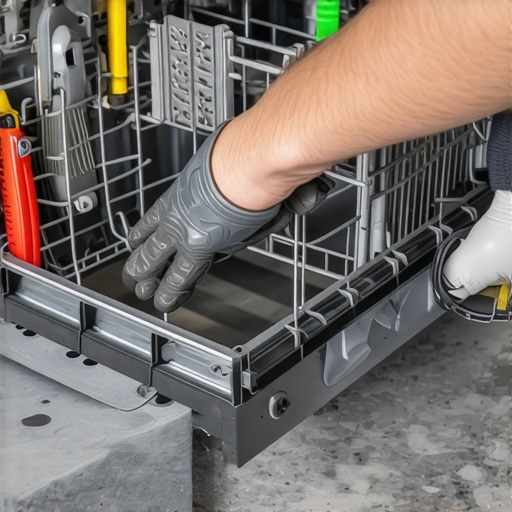
Start by turning off your dishwasher and opening the door. Locate the bottom rack and remove it to gain clear access to the sump area beneath the filter. Unscrew or unclip the filter assembly, usually found at the base of the tub. When I did this for the first time, I kept the filter in my hand expecting it to be clean—only to find a thick layer of grease and debris underneath. Carefully remove the filter and set it aside for cleaning or replacement.
Clear Out Debris from the Sump
Using a damp cloth or paper towels, wipe away loose grime and trapped debris from the sump. For stubborn buildup, gently scrape with a plastic spatula or an old toothbrush. Think of the sump as the catch basin of your dishwasher; just as you would clean a sink’s trap to prevent clogs, this step stops odors and drainage issues before they escalate. During my last clean, I discovered a small piece of plastic lodged in the sump, which had caused one of my dishwasher’s sprays to malfunction.
Disassemble the Sump Seal
Most dishwashers have a silicone or rubber seal around the sump to prevent leaks. Carefully remove this seal, noting how it sits so you can replace it correctly later. Wear gloves if needed, as residues can be dirty. This step is crucial—if the seal is cracked or worn, it can allow debris and water to escape, causing leaks or odors. When I replaced my sump seal (detailed here), my dishwasher operated quieter and smelled fresher immediately.
Thoroughly Clean the Sump Area
Using a mixture of warm water and mild detergent, scrub the sump chamber thoroughly. Pay special attention to corners, edges, and the underside of the spray arms where grime tends to accumulate. A small brush can help dislodge stubborn gunk. For baked-on grease on heating elements, check this guide for detailed techniques. I once used vinegar and baking soda to break down mineral deposits—what a difference that made!
Reassemble and Test
Once everything is clean and dry, reinstall the sump seal and filter assembly. Double-check that all clips and screws are secure. Run a short cycle to verify there are no leaks or odors. During my first attempt, I forgot to replace the sump seal properly. The resulting leak prompted a second disassembly but taught me to double-check my work. Proper assembly ensures that your dishwasher remains watertight and odor-free, boosting performance over time.
 When it comes to appliance repair, many homeowners believe they can master the basics with a quick online search or a DIY guide. However, even seasoned DIYers often fall into common traps because they overlook the subtle details that differentiate a proper fix from an ongoing problem. Let’s dig deeper into some misconceptions and advanced nuances that can make all the difference in your repair success.
One widespread myth is that replacing a single faulty part will automatically restore your appliance to perfect condition. In reality, appliances are complex systems where each component interacts with others. For instance, replacing a control board without inspecting related sensors or wiring may result in recurring issues or new faults. Diagnosing the root cause requires a comprehensive approach, often involving testing multiple components and understanding system interdependencies. For expert guidance, check out our detailed troubleshooting steps for dishwashers [here](https://appliancebargainz.com/how-to-test-a-dishwasher-thermal-fuse).
A common trap is focusing solely on visible symptoms, like water leaks or error codes, without considering underlying factors such as power surges or improper installation. Overlooking these can lead to recurrent damage. For example, a power surge might have fried your dishwasher’s control board—a problem often mistaken as a simple electronic failure. Recognizing these causes requires a nuanced understanding of electrical systems, which you can learn from our post on diagnosing power surge damage [here](https://appliancebargainz.com/3-signs-a-power-surge-fried-your-dishwasher-control-board).
Even experienced technicians sometimes underestimate the importance of calibration and environment factors. For example, ovens may appear to be functioning correctly but fail to heat evenly due to misaligned thermocouples or calibration errors. The nuance lies in understanding that proper calibration isn’t a one-time fix—it requires periodic checks and adjustments, especially after component replacements. For advanced calibration techniques, see our comprehensive guide on oven temperature accuracy.
Additionally, neglecting the importance of proper disassembly techniques can cause further damage. It’s tempting to force off stubborn parts, but applying excessive force risks cracking or damaging delicate components. For example, removing oven control knobs or dishwasher spray arms incorrectly can strip threads or break clips. The secret is patience and using the correct tools, which you can explore in our article on fixing stripped screws on oven handles.
Finally, always be cautious of the oops factor. A small oversight, like forgetting to reconnect a wire or not sealing a gasket properly, can escalate into major issues like leaks or electrical shorts. Always double-check your work and test thoroughly after repairs.
Have you ever fallen into this trap? Let me know in the comments! Remember, appliance repair is as much about understanding the nuances as it is about following step-by-step guides. Mastering these details will save you time, money, and frustration in the long run.Maintaining your appliances doesn’t end after fixing the immediate problem. Investing in the right tools and understanding effective maintenance routines can extend their lifespan significantly. For example, I personally swear by a high-quality multimeter for diagnostics—its precision helps me detect electrical issues that might seem minor but could lead to major failures over time. Also, a set of small, precision screwdrivers allows me to disassemble parts like control knobs or heating elements without causing damage, which is crucial for long-term upkeep.
Beyond basic tools, I recommend using software diagnostics where applicable. Many modern ovens and dishwashers have diagnostic modes accessible via specific button combinations or through connected apps. These can reveal hidden error codes or sensor malfunctions before they escalate. For instance, connecting a multimeter to oven temperature sensors and verifying resistance values against manufacturer specs can preempt temperature inaccuracies, saving money and preventing poor cooking results.
Looking ahead, the integration of smart diagnostics and IoT connectivity is set to revolutionize appliance maintenance. Devices will increasingly alert homeowners to potential issues via apps, allowing for proactive repairs. Keeping your tools updated and familiarizing yourself with these features is a smart move.

How do I maintain my appliances over time to avoid costly repairs? Regular cleaning of critical parts like filters and inlet screens is essential. Check out this guide on cleaning the inlet screen on a dishwasher water valve, which is a simple step that can prevent drainage problems down the line. Additionally, scheduling periodic checks of electrical components using your multimeter helps catch issues early, as described in the detailed electrical testing procedures available here.
By employing these precise techniques and investing in reliable diagnostic tools, you ensure your appliances remain reliable and efficient. For example, regularly testing your oven’s thermal fuse, as explained in our troubleshooting guide, can prevent unexpected failures. Here’s a challenge—try testing your oven’s thermal fuse using a multimeter this week and see the condition for yourself.
As I’ve delved into appliance repairs, I’ve learned that some of the most overlooked details can make or break your repair success. Addressing my own challenges has taught me essential lessons:
- The importance of patience and attention to detail: Rushing through disassembly often leads to missing crucial steps or causing damage. Taking my time, especially when removing seals or intricate parts, prevents headaches later.
- The power of comprehensive diagnostics: Replacing one part without understanding the underlying cause can be a waste of time and money. Test components systematically, as I learned to do with my multimeter, to avoid recurring issues.
- Recognizing subtle signs of trouble: Small leaks or odors can indicate hidden problems. Staying observant helps me address issues early, prolonging the life of my appliances.
- Knowing when to seek a second opinion: Sometimes, a stubborn problem requires consulting more detailed guides or a professional. I found that combining resources often yields the best result, like referencing our troubleshooting articles for different appliance models.
My Go-To Toolkit for Dishwasher and Oven Care
Having the right tools has saved me countless hours. I rely on a high-quality multimeter for electrical checks, which helps me confirm component health accurately. Precision screwdrivers, especially Phillips and Torx bits, are essential for delicate disassembly without stripping screws. For cleaning stubborn grime, I swear by plastic spatulas and soft brushes to avoid scratching surfaces. These tools, combined with reliable guides like our detailed repair guides, make repairs feasible and less intimidating.
Your Next Step in Appliance Mastery
Remember, every repair is an opportunity to learn something new. Embrace the process, celebrate small victories, and don’t hesitate to ask questions or share your experiences. Troubleshooting your dishwasher’s sump or oven’s temperature inconsistencies might seem daunting at first, but with patience and the right approach, you’ll develop skills that save you money and increase confidence. So, what’s the first repair you’ve been putting off? Share your story below—I’d love to hear it!