I remember the sinking feeling of opening the dishwasher, only to find dirty dishes staring back at me, despite running a full cycle. The culprit? Sometimes, it’s not the dishes or the soap but a dead circulation pump that stops the water from circulating properly. It’s like trying to breathe through a clogged straw—nothing flows, and everything gets stuck. That realization hit me hard early on, and I learned a valuable lesson: diagnosing dishwasher issues isn’t always about replacing parts blindly; it’s about knowing where to look first.
How to Detect if Your Dishwasher Circulation Pump Is Dead
If your dishwasher isn’t cleaning effectively, it might be your circulation pump giving out. The pump’s job is to send water through the spray arms, ensuring your dishes get rinsed spotless. Without proper circulation, you’ll notice problems like standing water, poor cleaning, or strange noises. But how do you tell if the pump is truly dead or just sluggish? That’s what we’ll uncover today—so you can avoid unnecessary replacements and get your dishwasher back in top shape.
Is the Pump Actually Worth the Hype?
Early in my repair journey, I made the mistake of assuming that any lack of cleaning meant a new pump was needed. Turns out, many issues mimic pump failure but are simple fixes, like clogged filters or faulty wiring. Rushing into a replacement without proper diagnosis can be costly and avoidable. If you’re skeptical—believe me, I get it—you’re not alone. Many homeowners worry about diagnosing appliances correctly, fearing they might make things worse. But with a little patience and a systematic approach, you can determine if that circulating pump is truly dead or just in need of some TLC. Curious? Let’s dive into the signs that point to a dead pump, so you can spot the problem before it’s too late. And if you want to learn about other common dishwasher issues, like why your bottom stays slimy even after a cleaning cycle, I’ve got some tips for that too—check out [this guide](https://appliancebargainz.com/why-your-dishwasher-bottom-stays-slimy-even-after-a-cleaning-cycle).
Test the Pump Motor Directly
Begin by unplugging your dishwasher and locating the circulation pump. Use a multimeter to check the pump’s motor windings for resistance; a reading of infinity or zero indicates a dead motor. I once followed this step when my dishwasher wasn’t draining; the motor’s resistance was out of specs, confirming failure. Be cautious with multimeters; ensure contacts are clean for accurate readings.
Inspect Wiring and Connections
Loose or corroded wires can mimic pump failure. Disconnect power, remove access panels, and examine the wiring harness connecting to the pump. Look for frayed wires or signs of corrosion. I found a broken wire that caused intermittent operation—resoldering and securing connections restored proper function. Remember, a simple wiring fix often beats replacing the entire pump.
Evaluate the Pump’s Impeller and Housing
Remove the pump assembly to check for stuck debris or a jammed impeller. Use a brush or compressed air to clear blockages. I once dealt with a clogged impeller covered in scale, which completely stopped water circulation. After cleaning, the pump spun freely, and the dishwasher performed like new. Regular maintenance prevents these issues from escalating.
Perform a Seal and Leak Check
Leaking seals can cause the pump to fail prematurely. Inspect the pump housing for cracks or worn gaskets. If you spot leaks or damaged seals, replacing them can often prolong the pump’s life. During a troubleshooting session, I replaced a worn-out gasket, which instantly improved water flow and prevented further leaks. Use manufacturer parts for best compatibility.
Assess the Control Board Signals
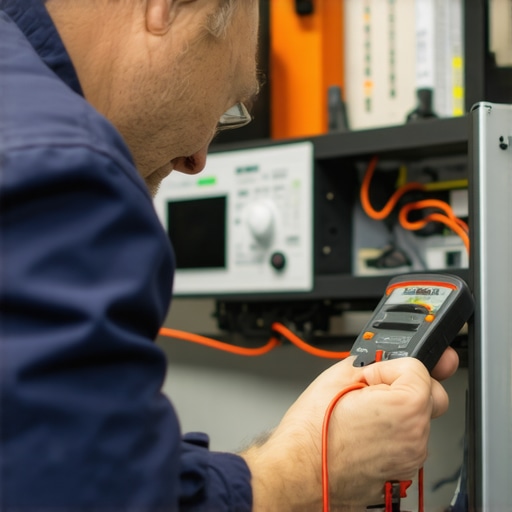
If the motor and wiring seem fine, the issue might be with the control board not energizing the pump properly. Use a multimeter to check for voltage when the dishwasher runs a cycle. I once observed no voltage reaching the pump, but the control board tested fine; replacing the board solved the problem. For a detailed diagnosis, see [this guide](https://appliancebargainz.com/why-your-oven-control-board-is-smoking), tailored for appliance electronics diagnostics.
Summary of Key Diagnostic Checks
By systematically testing the motor resistance, wiring integrity, impeller clearance, seal condition, and control signals, you can confidently identify a dead circulation pump. Avoid rushing into replacements; often, cleaning or fixing a wiring connection is enough. Remember, patience and a multimeter are your best tools during this process. For other common dishwasher issues, like persistent slime buildup, visit [this troubleshooting guide](https://appliancebargainz.com/why-your-dishwasher-bottom-stays-slimy-even-after-a-cleaning-cycle). Keep your hands safe, and take your time—precision pays off.
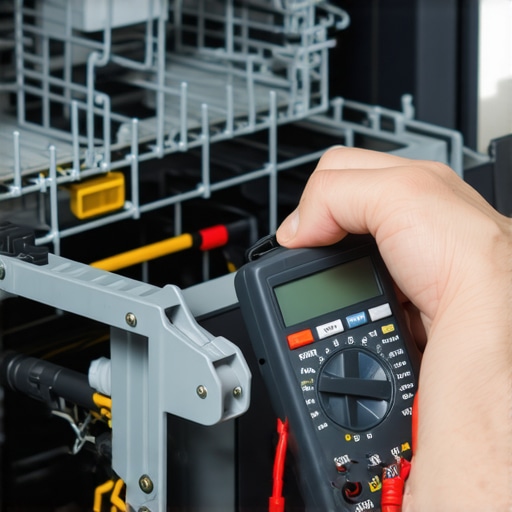 Many homeowners believe that diagnosing appliance problems is straightforward—if something’s wrong, replacing the suspected part is the quickest fix. However, this simplistic view often leads to unnecessary replacements and overlooked nuances. For example, when troubleshooting a dishwasher’s circulation pump, many jump straight to the part replacement without a thorough electrical or mechanical check. This oversight can be costly and time-consuming. One common myth is that every loud noise indicates a failing motor; in reality, debris or misaligned parts often cause noise before actual failure occurs. Furthermore, advanced diagnostics reveal that control boards are sometimes misdiagnosed as faulty when, in fact, wiring issues or software glitches are to blame. Experts advise that understanding the subtle indicators—like inconsistent voltage readings or partial operation—can save you from replacing entire assemblies prematurely. Did you know that a misaligned oven door hinge isn’t just an annoyance but can also affect temperature calibration? Proper alignment, which can be achieved with simple adjustments, often resolves the issue without expensive parts. Be cautious of the trap of auto-replacing parts based solely on error codes; these codes are pointers, not definitive diagnoses. According to professional appliance technicians, integrating multimeter tests and visual inspections is essential for accurate diagnostics. This level of nuance is what distinguishes a DIY repair from a true expert approach. Have you ever fallen into this trap of oversimplification? Let me know in the comments. For instance, many believe that if an oven isn’t heating, the heating element is dead. But, in many cases, a blown thermal fuse or faulty control thermostat is the culprit, and addressing those can restore operation without replacing the element—a strategy supported by detailed diagnostic guides like this one on [testing your oven safety sensors](https://appliancebargainz.com/testing-a-dishwasher-thermal-fuse). Mastering these subtleties not only prolongs the lifespan of your appliances but also saves significant money. So, next time you troubleshoot, remember: dig deeper, look closer, and question assumptions.
Keeping Appliances in Top Shape with the Right Tools
Achieving reliable performance from your appliances over the years requires more than just occasional cleaning. It involves investing in specific tools and adopting systematic maintenance routines. My personal go-to is a high-quality digital multimeter, which I use not just for diagnostics but also for verifying wiring continuity and component resistance, ensuring issues aren’t misdiagnosed. An accurate multimeter helps differentiate between a faulty control board and wiring problems, saving time and money. Additionally, I recommend a set of fine-tip screwdrivers and a digital thermometer to assess heating element performance reliably. A flashlight with adjustable brightness illuminates tricky areas, making inspections safer and more precise. Using these tools consistently helps catch issues early, preventing costly breakdowns.
What’s Next in Maintenance Toolbox Technology?
Looking ahead, I foresee smart diagnostic devices becoming more commonplace, seamlessly linking to your smartphone to provide real-time data and troubleshooting advice. Imagine an app that guides you through part testing with visual aids, step-by-step instructions, and even predictive maintenance alerts based on usage patterns. As appliance electronics become more complex, integrating these tools will be essential to keep pace and ensure longevity. Staying ahead means embracing technology that simplifies diagnostics and minimizes downtime.
How do I maintain efficiency in appliances over time?
Regular cleaning of filters, seals, and spray arms, combined with periodic testing of electrical components using precise tools, is key. For instance, testing your oven temperature sensor with an ohmmeter at regular intervals helps verify accurate temperature readings, preventing food mishaps and energy waste. Additionally, inspecting gasket seals around doors every six months prevents leaks and maintains energy efficiency. Documenting maintenance routines, alongside routine visual inspections, ensures that small issues don’t escalate into major repairs. Remember, keeping a detailed maintenance log can also help identify recurring problems, guiding targeted repairs that extend appliance lifespan.
For a detailed look at testing safety-critical components, check out [testing your oven temperature sensor with an ohmmeter](https://appliancebargainz.com/testing-a-dishwasher-thermal-fuse). Start implementing these diagnostic and maintenance routines today, and you’ll enjoy trouble-free operation for years to come. As a tip, try calibrating your thermostat with a digital thermometer every year—it’s a simple step that pays off in consistent oven performance.
< >
>
Pro tip: Make a habit of periodically checking your dishwasher’s spray arms for clogs and wear, as blocked nozzles can drastically reduce cleaning efficiency. A thorough cleaning with a bristle brush and vinegar soak keeps water flow optimal, saving energy and water in the long run. Want to learn more about maintaining your dishwasher’s spray system? Visit this guide.
How I Nearly Missed Simple Fixes That Saved Me Big
One of the biggest surprises in my journey has been realizing how often appliance issues mimic complex failures. Early on, I assumed a stubborn dishwasher leak meant a cracked hose, only to find a loose clamp was the culprit. That taught me to always check the basics first—saving time and money. The lightbulb moment came when I understood that proper diagnosis requires patience and a systematic approach, not jumping to part replacements at the first sign of trouble.
Tools That Transformed My Troubleshooting Game
Investing in a quality digital multimeter revolutionized how I approach repairs. Pairing it with a set of fine-tip screwdrivers and a digital thermometer, I gained the confidence to identify faulty control boards, broken wiring, or malfunctioning sensors accurately. These tools aren’t just gadgets; they’re the key to unlocking the mysteries behind stubborn appliance problems. They have saved me countless trips to the parts store and prevented unnecessary replacements.
The Power of a CuriousMind and Patience
One lesson I hold dearly is that every appliance problem, from a dishwasher that leaves dishes dirty to an oven that overheats, has a logical cause. Embracing curiosity and resisting the urge for quick fixes allowed me to discover clues others overlook—like checking wiring connections or testing specific components. This mindset, coupled with meticulous testing, turns frustrating repairs into satisfying problem-solving adventures. For example, I once fixed an oven’s inconsistent temperature by simply recalibrating the thermostat after confirming my readings with a thermometer, instead of replacing expensive parts.
Continuing Education Keeps You Ahead
Staying informed through trusted resources and learning new diagnostic techniques is vital. I highly recommend exploring comprehensive guides on appliance troubleshooting and participating in online forums where seasoned technicians share insights. Websites like [appliancebargainz](https://appliancebargainz.com/why-your-oven-control-board-is-smoking) have been invaluable, especially for understanding control board issues. Regularly updating your knowledge ensures you’re prepared for even the most perplexing problems and prevents costly mistakes.
The Reward of Confident Repairs
Mastering diagnostics isn’t just about fixing appliances; it’s about empowering yourself to take control and save money. Every successful repair boosts your confidence and deepens your understanding of how these complex machines work. Remember, the next time your dishwasher won’t drain or your oven misbehaves, approach it as a puzzle waiting to be solved—armed with patience, the right tools, and a curious mind. You’re capable of more than you think!