It was late at night when I first noticed the acrid smell and the faint haze creeping from my oven. My heart sank; I knew immediately that something was seriously wrong. Turns out, a tiny spark had ignited inside the control board, causing smoke to billow out. In that moment, I realized how dangerous and unsettling a smoking oven can be—and yet, I also discovered that many homeowners overlook early signs of control board issues, risking more expensive repairs or dangerous fires.
Understanding Why Your Oven Control Board Smokes
The control board in your oven acts as its brain—regulating temperatures, timers, and safety features. When it starts smoking, it’s a clear sign that electrical components are short-circuiting or overheating. This can be caused by various factors: power surges, age-related wear, or even an unexpected power outage that momentarily spikes voltage. Early in my experience, I made the mistake of simply turning off the oven and hoping it would fix itself. Spoiler alert: That’s a recipe for disaster.
If you’re like I was, wondering why a small electronic part would suddenly smoke, you’re not alone. Many people assume it’s just dirt or residue, but the truth is, internal damage is often hidden beneath the surface. This is why it’s crucial to identify the root cause early, before it escalates into a fire hazard. To get a clearer picture, you might want to learn how to test components like thermal fuses or even check your oven’s wiring. For that, I recommend reviewing this step-by-step [thermal fuse testing guide](https://appliancebargainz.com/how-to-test-a-dishwasher-thermal-fuse) for some preventative insights.
But before diving into the fix, let’s address the big question most homeowners dread:
Is a smoking oven control board actually worth the hype?
From my experience, the answer is a resounding yes. It’s not just about avoiding a fire; a smoking control board often leads to complete oven failure if ignored. Plus, fixing or replacing the control board can be surprisingly straightforward if you know what to look for—and that’s exactly what I aim to teach you next. Having made the mistake of neglecting warning signs, I can assure you that early intervention saves you time, money, and peace of mind.
Now, are you ready to understand the step-by-step process to diagnose and repair your oven’s smoking problem? Let’s turn that smoky disaster into a manageable fix.
Cut the Power and Assess the Damage
Before anything else, unplug your oven immediately to prevent any electrical hazards. Carefully inspect the control board for visible signs of damage such as burnt components, melting plastic, or scorched wires. Remember, safety comes first—never work on an energized appliance.
Remove the Oven’s Back Panel
Use a screwdriver to take off the back panel, granting access to the control board. Keep track of screws and small parts to avoid losing them. During my repair, I found that a loose connector was the culprit; a simple re-seat made a difference, but in most cases, the board needs testing or replacement.
Test the Control Board Components
To identify defective parts, use a multimeter to test fuses, resistors, and relays on the board. Think of the control board as a circuit highway—if one exit is blocked (shorted), traffic (electricity) backs up and causes smoke. For example, checking the thermal fuse helps determine if overheating caused the failure, which you can learn more about in this thermal fuse testing guide.
Replace Damaged Components or the Entire Control Board
If you find burnt-out parts, replace them with identical specifications. For critical parts like the control board itself, consider ordering a replacement from the manufacturer or a trusted appliance parts supplier. When I replaced my control board, I ensured all connectors were firmly seated—loose connections can cause similar issues and are worth double-checking.
Reassemble and Test
Carefully reattach the back panel, reconnect the power, and run your oven on a test cycle. Observe for any smoke or error messages. If the smell persists or the control board still smokes, revisit the wiring for shorts or consult a professional.
Prevent Future Fires and Smoke
Regularly inspect wiring for wear, clean the control panel area, and consider using surge protectors to guard against power spikes. Better safe than sorry—early detection of faint odors or minor sparks can save you from costly repairs or hazardous incidents down the line.
<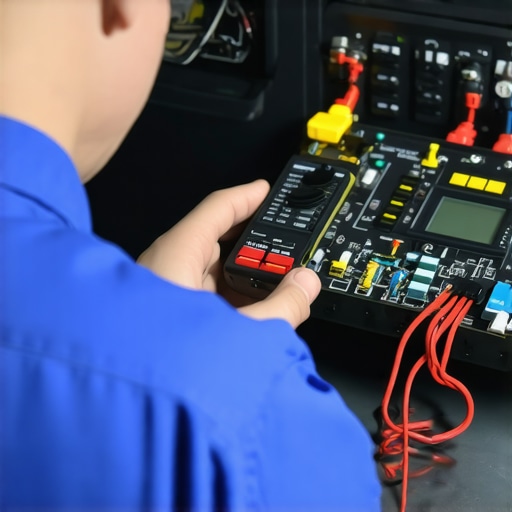 >Even seasoned DIY enthusiasts can fall prey to misconceptions about appliance repair, especially when it comes to parts and diagnostics. One prevalent myth is that replacing a component like a thermal fuse or control board automatically guarantees a fix. However, without proper testing, you might just be throwing parts at the problem, which leads to unnecessary expenses and frustration. In fact, many repair failures stem from misdiagnosing the root cause; for example, a dishwasher might overfill due to a faulty float switch, but often, the issue is with the wiring or control board, not the switch itself. Relying solely on part replacement without thorough diagnostics is a classic trap that can drain your finances and time.
A common oversight involves testing procedures. Many homeowners or even repair pros skip critical steps, such as verifying electrical continuity with a multimeter correctly. This mistake can lead to false assumptions—think of it as diagnosing the wrong symptom. For instance, an oven that isn’t heating properly might look like a failed heating element, but the real culprit could be a blown thermal fuse or a wiring short. You can learn detailed testing techniques for various components, like the thermal fuse, in this comprehensive guide, which prevents you from wasting money on unnecessary replacements.
Let’s talk about the danger of jumping to conclusions based on visual inspection alone. A burnt or scorched component might seem obvious, but by the time signs are visible, damage may have already extended deeper into the circuitry. For example, a control board with minor burn marks can still be functional if the underlying cause—like a power surge—is addressed. Overlooking these nuances risks permanent damage and potential safety hazards, especially if the root problem isn’t resolved.
Have you ever fallen into this trap? Let me know in the comments. To avoid these pitfalls, always perform comprehensive diagnostics before replacing parts. For instance, if you suspect a control board issue in your oven, test the related wiring, sensors, and relays first. This approach ensures you address the core problem rather than chasing symptoms, saving you time and money.
Understanding these common misconceptions and nuances can make all the difference in successful repairs. Remember, accurate diagnosis is the first step toward effective repair, whether you’re tackling a dishwasher that won’t drain or an oven that won’t heat. Employ proper testing methods, investigate wiring and sensors diligently, and don’t assume visually inspecting a part is enough. By doing so, you’ll boost your repair success rate and avoid costly mistakes. For detailed testing tips and troubleshooting steps, explore this guide on diagnosing oven control issues, or check out specific posts like [how to test a dishwasher thermal fuse](https://appliancebargainz.com/how-to-test-a-dishwasher-thermal-fuse) to sharpen your diagnostic skills.Maintaining your appliances over time doesn’t have to be a daunting task when equipped with the right tools and techniques. I personally rely on a few key pieces of equipment that have proven invaluable in diagnosing and repairing issues effectively. Foremost among these is a high-quality multimeter. Investing in one with adjustable voltage and resistance ranges, like the Fluke 117, allows for precise testing of components such as thermal fuses or control boards—crucial for identifying issues like blown thermal fuses or shorted relays without unnecessary part replacements. Regularly testing these parts helps prevent more severe failures, saving time and money.
Another indispensable tool is a digital infrared thermometer—specifically, a Fluke 568. It enables quick temperature checks on heating elements or wiring harnesses, helping to spot overheating components before they cause smoke or fires. I’ve found this particularly useful when troubleshooting ovens that exhibit inconsistent temperatures or unexpected smoke, as it offers instant thermal feedback.
For physical repairs, a cordless screwdriver with a variety of bits reduces the hassle of removing panels and screws, making disassembly faster and safer. When working on complex control panels, I prefer a precision screwdriver set to avoid stripping delicate screws. Additionally, a set of plastic pry tools is perfect for separating panels without damaging the finish—saving me time and trouble when accessing internal components.
To keep diagnostic processes streamlined, I recommend software tools like appliance-specific schematics and diagnostic apps. For instance, the latest control boards often come with diagnostic modes accessible via unique button sequences, which you can interact with using a multimeter to test circuit continuity or voltage outputs. Staying updated with manufacturer manuals and service bulletins enhances your ability to tackle future problems efficiently.
Looking ahead, I predict that automation and remote diagnostics will become standard in appliance maintenance. Smart sensors integrated into appliances could alert homeowners to issues before smoke even appears, enabling proactive repairs.
**How do I maintain these tools over time?** Regular calibration is essential. For multimeters and infrared thermometers, I calibrate annually using reference standards or professional calibration services. Storing tools in protective cases and keeping them clean prevents damage and ensures accuracy when you need it most.
Incorporate these tools into your repair routine, and you’ll notice a significant improvement in diagnosing issues more accurately and swiftly. For example, testing a thermal fuse with a multimeter is straightforward but critical; it can prevent the cost and danger associated with ignoring overheating signs. To see how I perform this test, check out this detailed guide on [testing a dishwasher thermal fuse](https://appliancebargainz.com/how-to-test-a-dishwasher-thermal-fuse). Start with one of these tools today, and watch your repair skills grow more confident and precise over time.
The Most Eye-Opening Mistakes I Made in Oven Repairs
One of my biggest lightbulb moments was realizing that simply replacing parts without thorough diagnostics often leads to repeated issues. I used to assume that burnt components meant a straightforward fix, but I learned that many problems stem from wiring or sensor faults, not just the visible damage.
Another lesson was understanding the importance of proper testing—using a multimeter correctly is an art in itself. Rushing into replacements without verifying the actual cause wastes time and money. Now, I always perform detailed tests, which has dramatically increased my success rate in oven repairs.
Finally, I discovered that overlooking small, seemingly insignificant signs like faint odors or minor sparks can be a dangerous mistake. Addressing these early signs with proper diagnostics not only prevents fires but also prolongs appliance life. That insight truly reshaped my approach to appliance troubleshooting.
Tools and Resources That Elevate My Repair Game
My essential toolkit includes a high-quality multimeter like the Fluke 117 because it provides accurate readings crucial for diagnosing control board issues. Regular calibration ensures I trust the readings I get.
An infrared thermometer, such as the Fluke 568, is invaluable for detecting overheating components that might not be visible. It helps me spot trouble early before it becomes hazardous.
For a detailed understanding of component testing, I turn to trusted resources like the detailed guides on testing thermal fuses and control board schematics. These references save me time and help avoid costly errors.
Investing in proper tools and continuously learning from trusted sources has transformed my repair success. If you’re serious about fixing ovens safely and effectively, building your toolkit and knowledge base is a game-changer.
Take the Leap and Power Up Your Repairs
Don’t shy away from diagnosing and fixing your oven control board issues—every successful repair boosts your confidence and skills. Remember, safety first, and always perform thorough diagnostics before jumping to part replacements. By harnessing the right tools and knowledge, you turn daunting problems into manageable solutions.
What’s the most challenging control board problem you’ve faced? Share your story below, and let’s learn from each other’s experiences.